 日本語
日本語 ポルトガル語
 スペイン語
スペイン語 マレー語
マレー語 インドネシア語
 ドイツ人。
ドイツ人。 トルコ語
トルコ語 ベトナム語
ベトナム語 フランス語で
 ロシア語
ロシア語 アラビア語:アラビア語
 タイ語
タイ語 日本語で。流れ
 韓国語
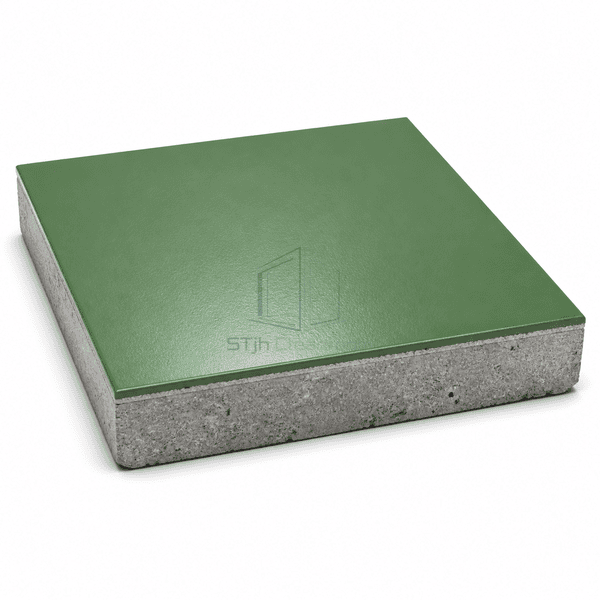
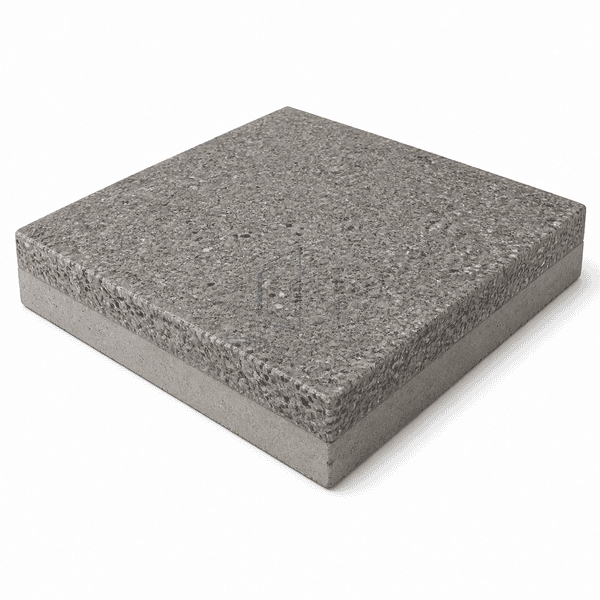
韓国語装飾的な仕上げは、トロリーの交通や化学物質の流出により劣化します。
樹脂の化学的性質、構造の厚さ、摩耗面のオプションを、ホイールの荷重や実際に処理される物質と比較します。



カートの移動、定期的な清掃、化学薬品の取り扱い、敏感なコンポーネントの保護など、その上で行われる作業には、クリーンルームの床を選択してください。コービングとジョイントアクセサリーでサポートされている、樹脂、ビニール、ゴム、隆起したアクセスオプションを探索してください。フローリングシステムを、洗浄性、耐久性、およびアプリケーション固有の機能の適切なバランスと比較できるように、基板、トラフィック、および動作条件について教えてください。
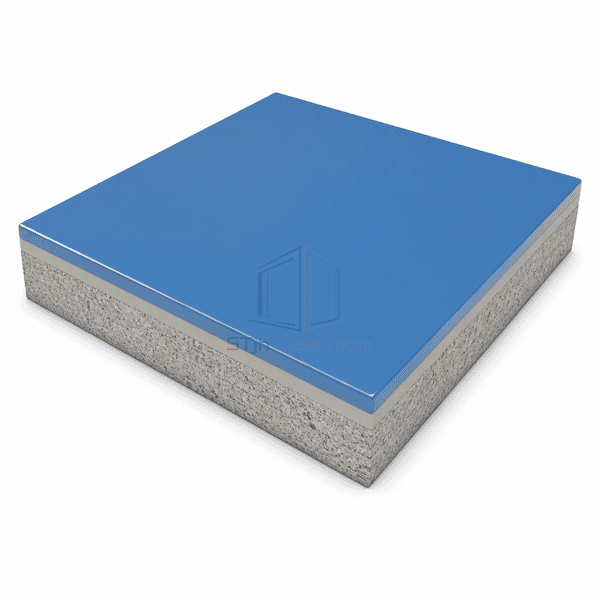
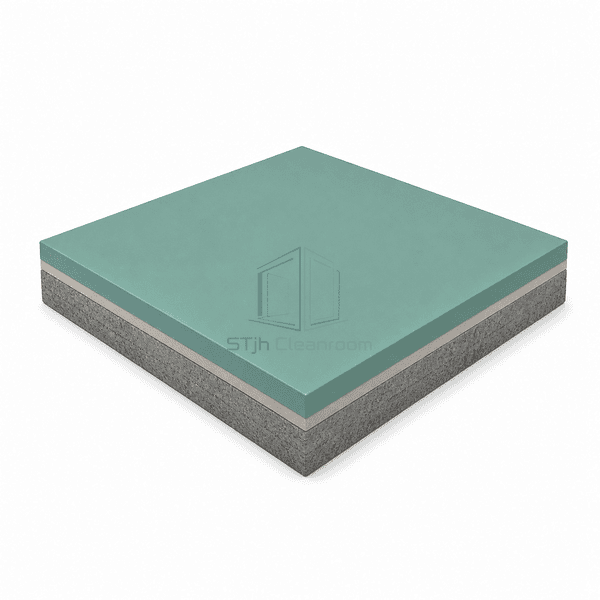
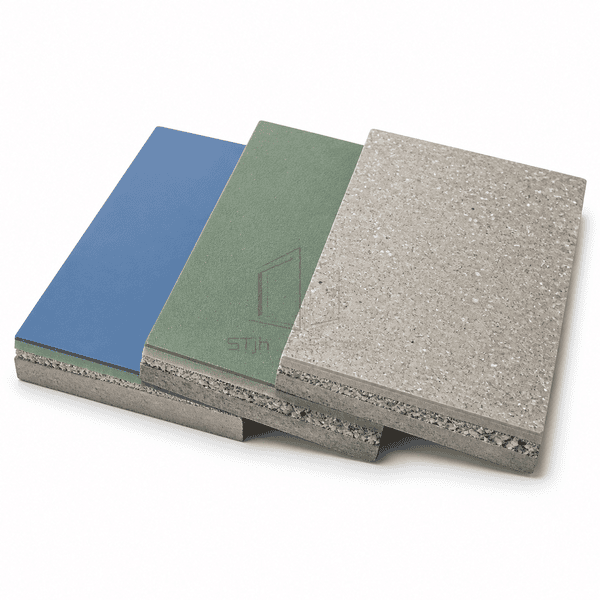
セルフレベリング、ハイビルド、モルタル、ESDエポキシオプションをさまざまな職務で比較します。システムを交通量、基板の状態、クリーニングの露出、必要な表面の挙動に合わせます。
製品を探す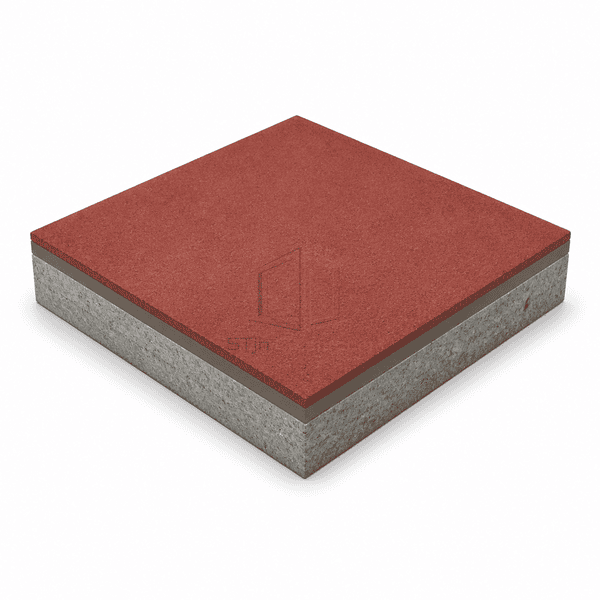
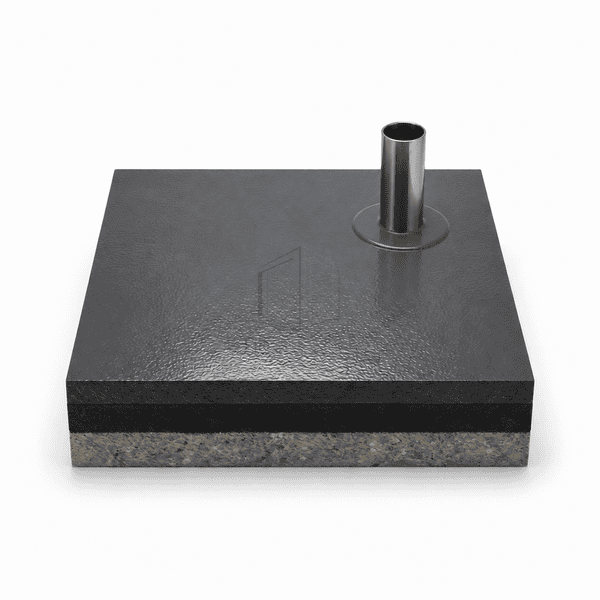
厳しい操作の露出のためのポリウレタン、PUセメントおよびノボラックシステムを探検して下さい。材料を選択して床のビルドアップを完了する前に、化学物質、水分、温度の変化を特定します。
製品を探す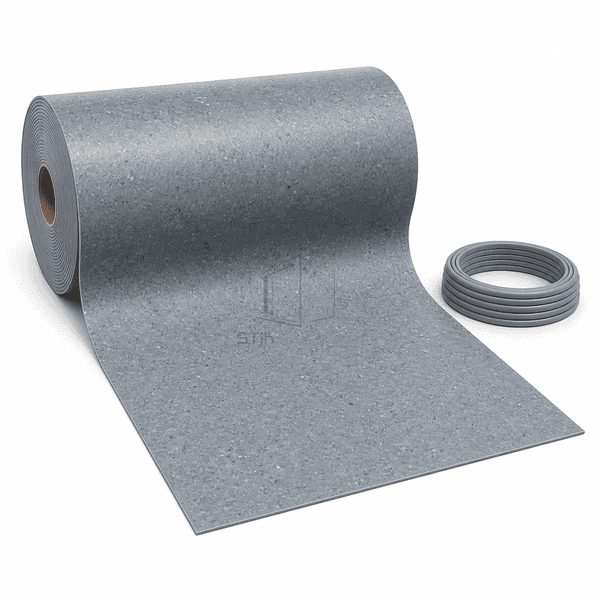
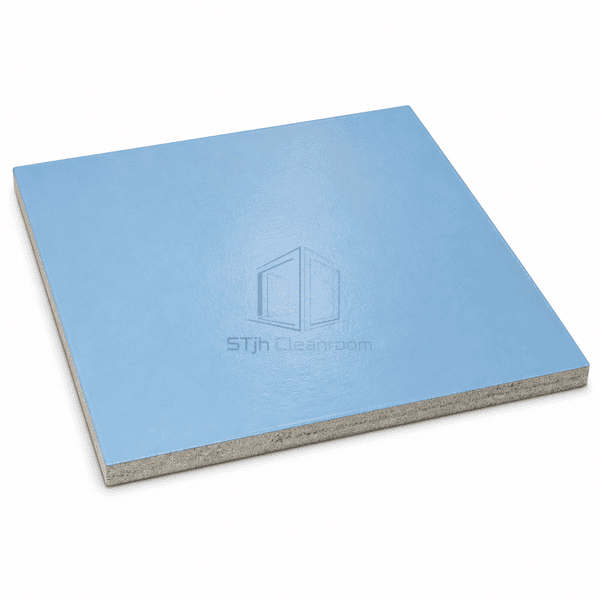
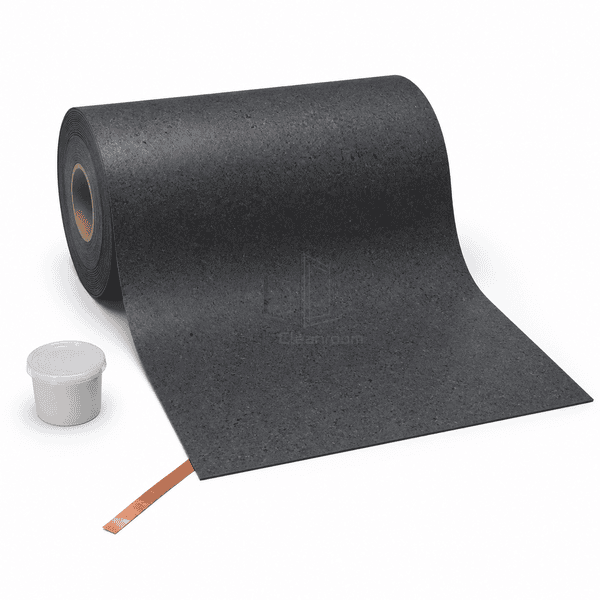
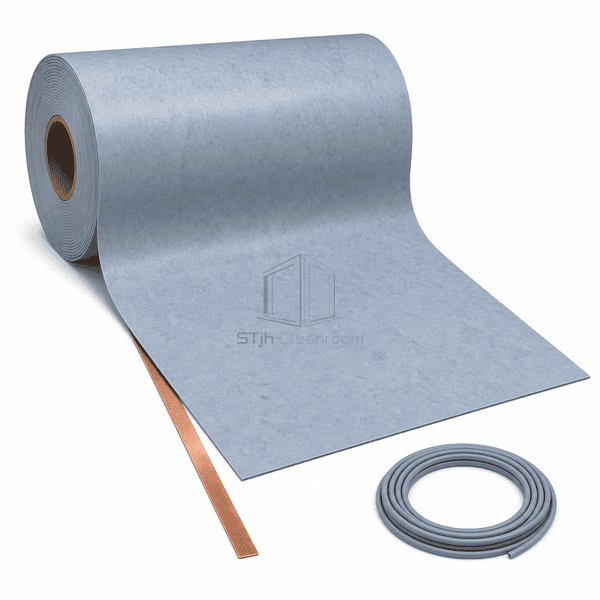
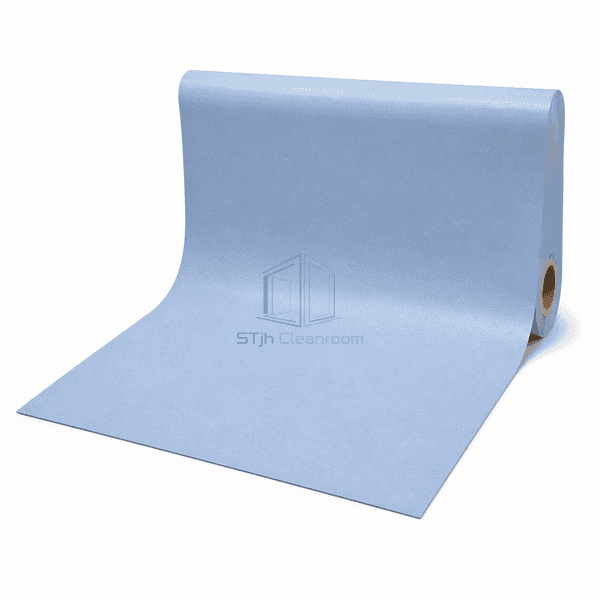
クリーニング、歩行の快適さ、電気的要件の周りにシートフローリングを選択してください。取り付けられたシステムの一部として、ジョイント、入り江の詳細、接着剤、および基板の準備を確認します。
製品を探す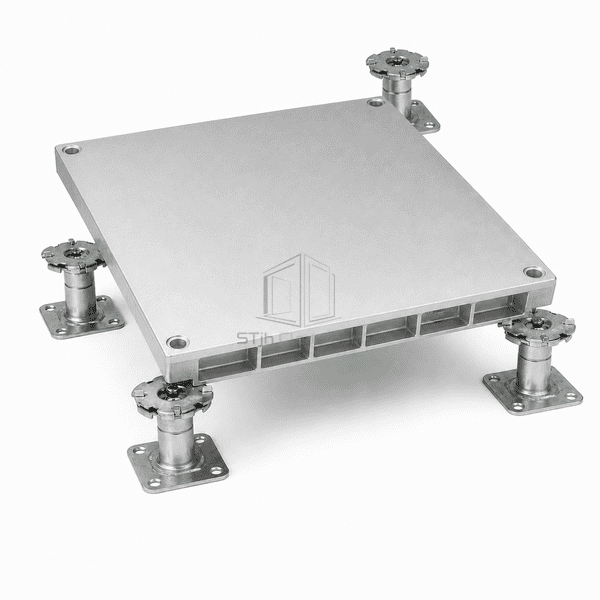
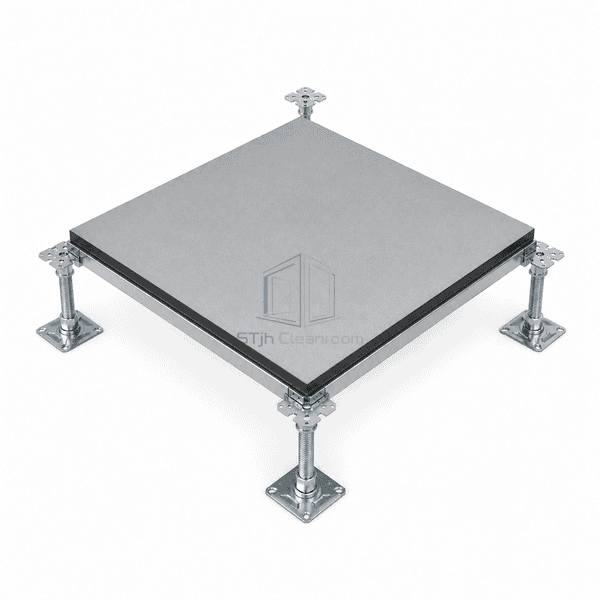
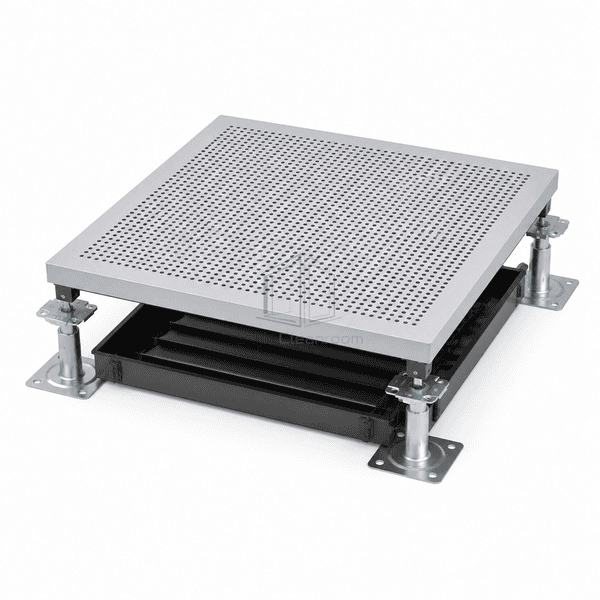
適切な上げ床パネルとサポートを使用して、アクセス可能なサービスvoidを作成します。機器の負荷、パネル仕上げ、気流の開口部、および部屋のレイアウト内のメンテナンスアクセスを定義します。
製品を探す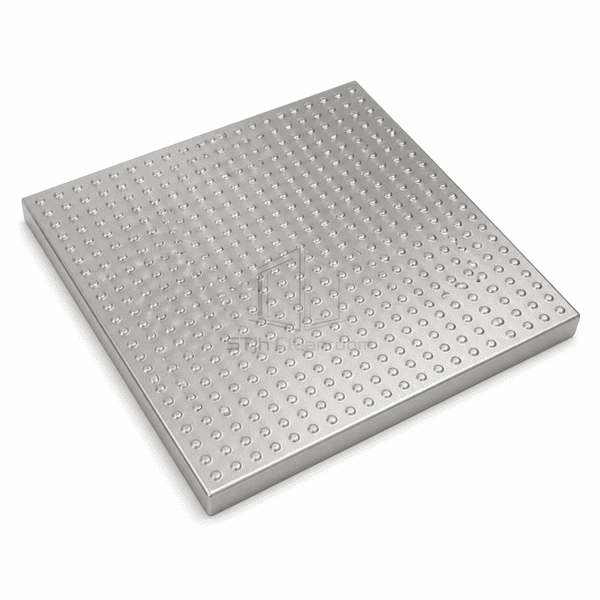
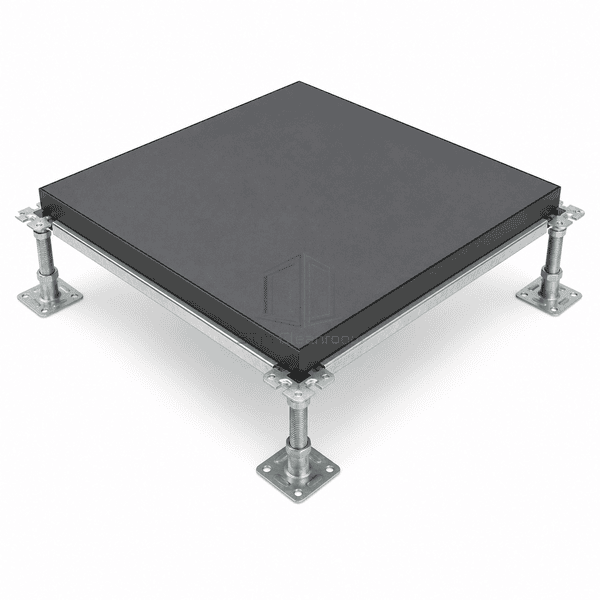
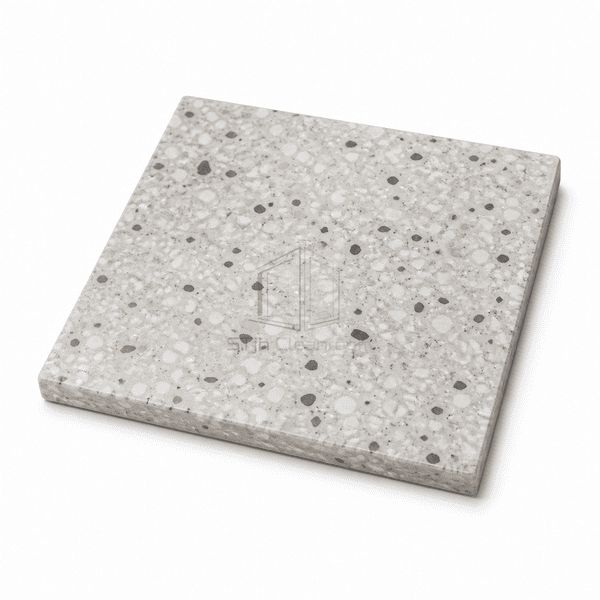
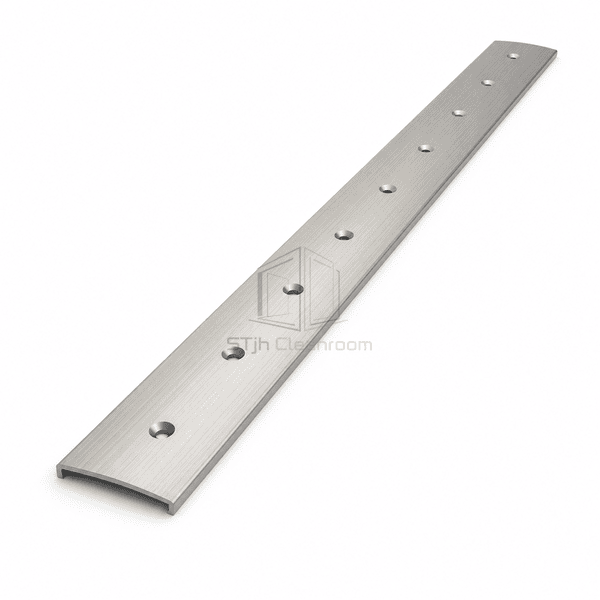
特定の床の義務のために金属板と装飾的または連続的な樹脂構造を比較してください。トラフィック、仕上げ、ジョイント、およびスペースのクリーニング要件を考慮してください。
製品を探す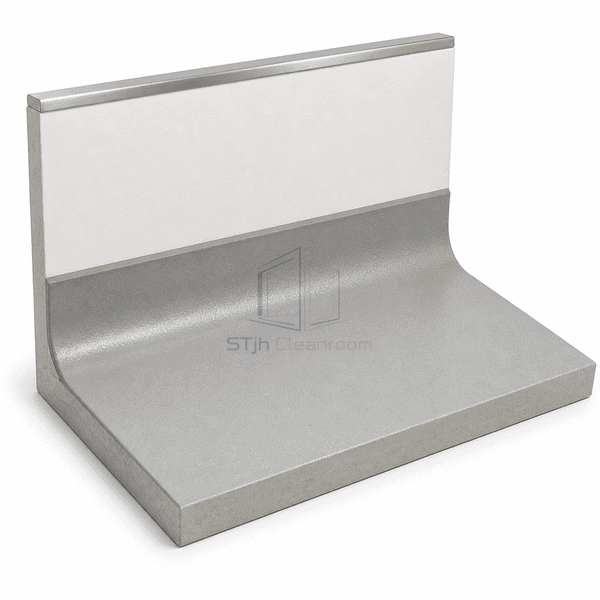
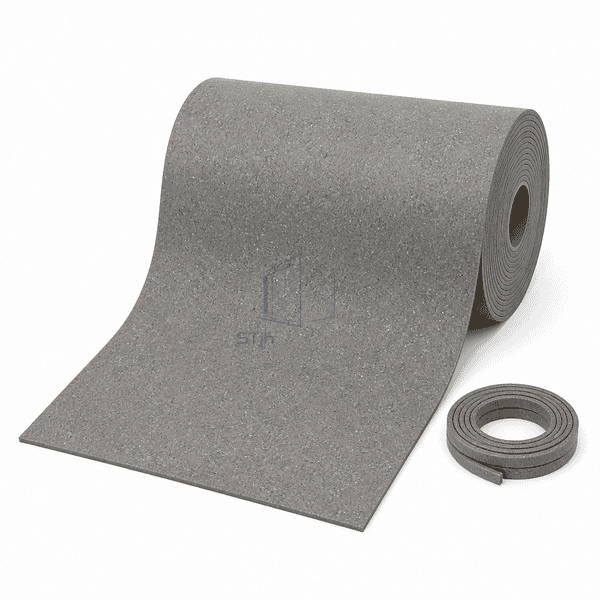
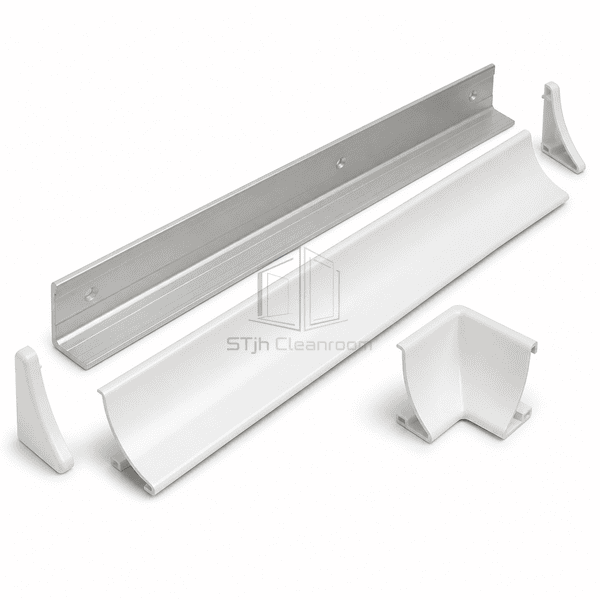
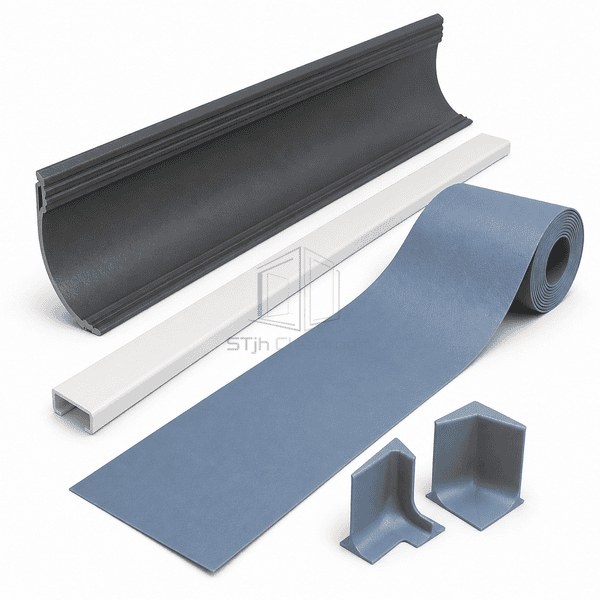
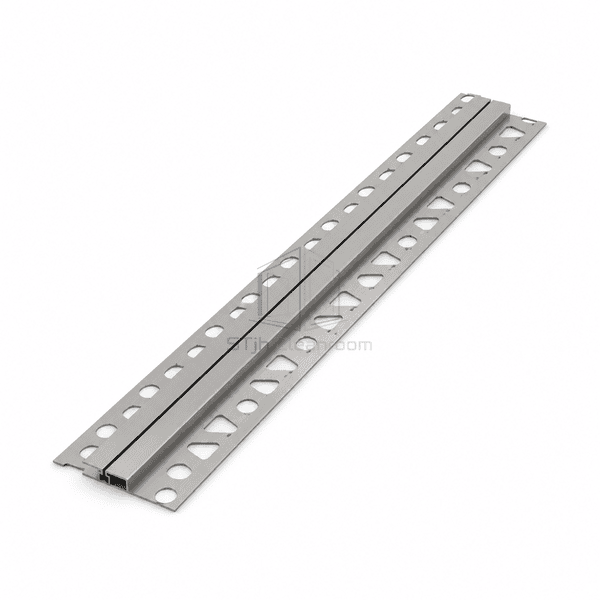
互換性のあるアクセサリを使用して、フロアエッジ、移動ポイント、エントリートランジションを解決します。フローリングの構造とクリーニングルーチンの周りに、コービング、ストリップ、またはコントロールマットを選択します。
製品を探す床は交通を運び、機器を支え、管理されたスペース全体で使用される洗浄剤を受け取ります。樹脂システムは、詳細なレイアウトの周りに連続的な仕上げを形成できます。シートフローリングは、さまざまな構造と修理の考慮事項を提供します。上げられたアクセスフロアは、作業面の下にサービススペースを追加しますが、独自のレビューが必要なパネルジョイントとロードサポートの詳細を導入します。
要求の厳しい露出を特定することから始めます。重い車輪、ウェットクリーニング、サーマルサイクリング、攻撃的な化学物質、および静的に敏感なプロセスは、さまざまな材料の選択につながる可能性があります。表面テクスチャはまた、実際の動作条件に対してトラクションと洗浄性のバランスをとる必要があります。滑らかな外観だけでは、床が使用中にどのように機能するかを説明しません。
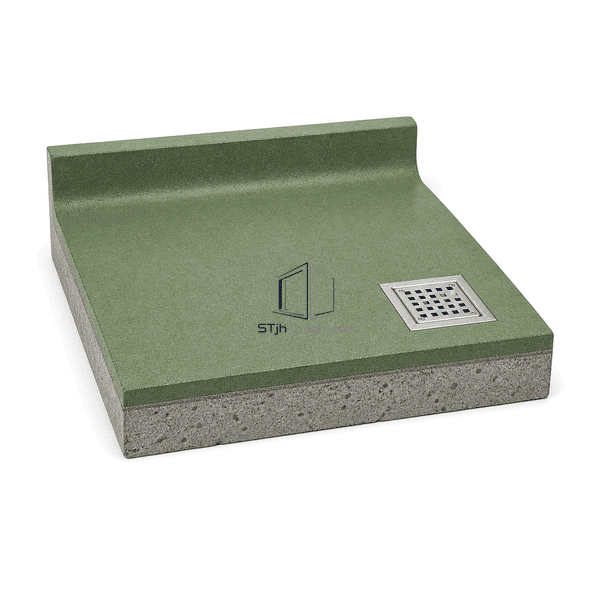
準備とインターフェースはフローリングの決定の一部です。基板の状態、湿気、既存の移動ジョイント、および壁または排水路への移行は、完全な設置に影響します。コービングとカバーストリップはこれらのエッジを解決するのに役立ちますが、ESDフロアには、導電性の表面材料ではなく、互換性のある設置システムが必要です。
樹脂の化学的性質、構造の厚さ、摩耗面のオプションを、ホイールの荷重や実際に処理される物質と比較します。
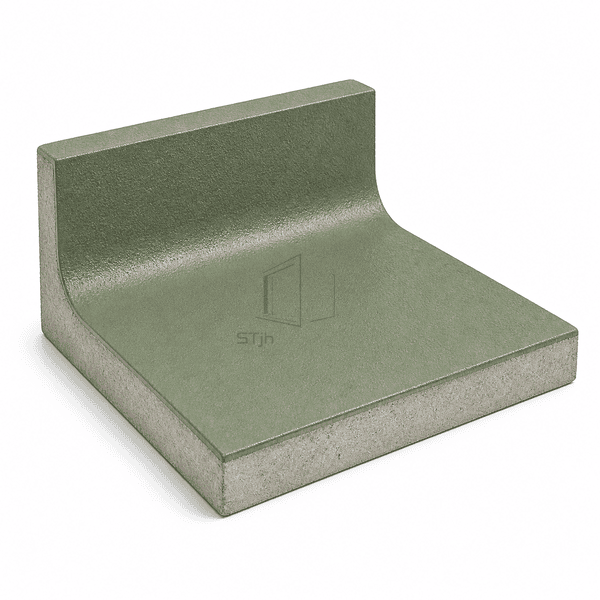
コーブベース、幅木、トランジションの詳細をフローリングパッケージに含めて、意図した方法で周囲をクリーニングできるようにします。
ESD制御要件を定義し、調整された配置として、フローリング、接地、履物、および機器の接触を評価します。
サポートシステム、パネルの負荷、および機器のレイアウトの周りに計画されたアクセス場所を使用して、必要に応じて上げられたアクセスパネルを検討してください。
洗浄剤、機器ベース、歩行者またはトロリーの交通を中心に選択された、洗浄可能な床と入り江の組み合わせ。
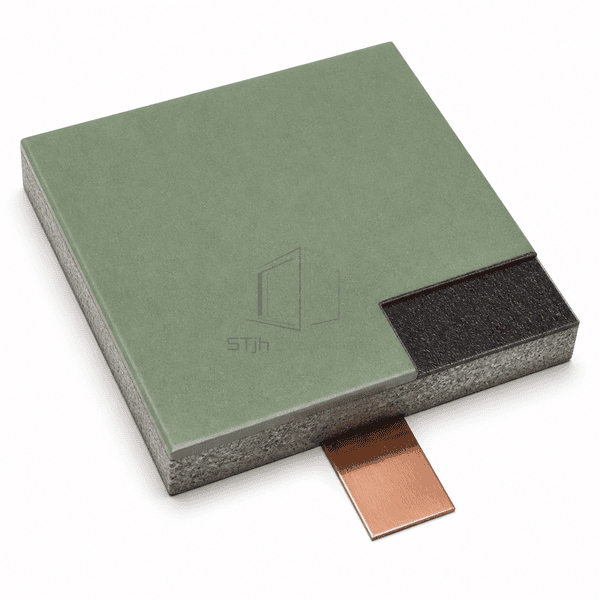
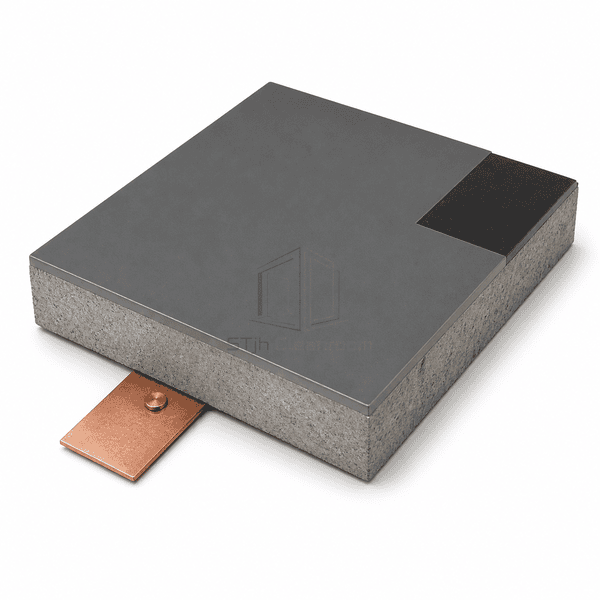
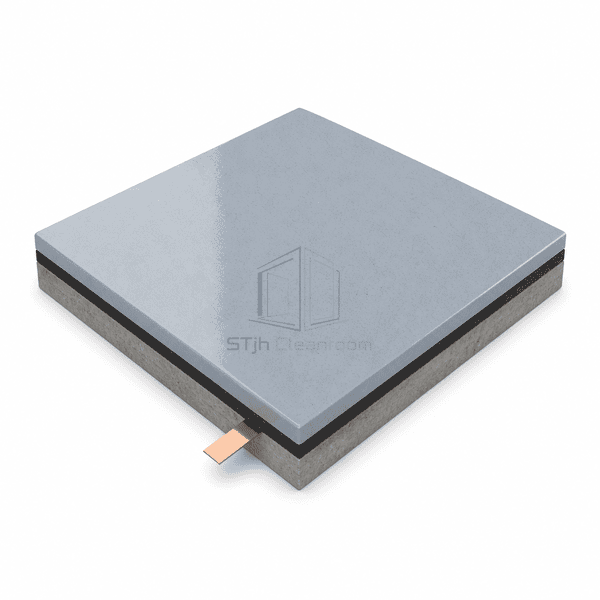
定義されたESD制御プログラム内で使用するための導電性または静的散逸性フローリングオプション。
湿気、化学薬品、熱変化、機器や材料の繰り返しの動きと比較したフローリング構造。
あなたの選択に一致する製品はありません。別の製品タイプまたはより短い検索用語を試してください。
下地、清掃方法、化学物質への曝露、通行量、補修方針によって異なります。材料名だけで選ぶのではなく、これらの条件に照らして樹脂床材またはシート床材の一式システムを比較してください。
いいえ。導電性または静電気拡散性の床材は、接地および適合する作業者用・機器用インターフェースと組み合わせて使用します。必要な電気的特性を定義し、用途に応じた施工済み構成を確認してください。
一律には対応できません。既存の構造変位には適切な処理が必要で、壁や排水口との取り合いには適合する納まりが必要です。床材の選択肢を問い合わせる際は、下地と目地配置を提示してください。
床面積、下地、通行量、清掃条件をお知らせください。より適切な見積りのため、化学物質または静電気対策の要件も含めてください。