Votre fournisseur à guichet unique pour les équipements de salle blanche et les essentiels des installations aseptiquesSoutien international aux projets
Open mobile navigationClose mobile navigation
A working surface for demanding clean environments

Cleanroom Flooring

Choose a cleanroom floor for the work that happens on it: moving carts, routine cleaning, handling chemicals and protecting sensitive components. Explore resin, vinyl, rubber and raised-access options, supported by coving and joint accessories. Tell us about your substrate, traffic and operating conditions so we can help you compare flooring systems with the right balance of cleanability, durability and application-specific features.

Cleaning Starts at the SurfaceCompare continuous resin finishes, welded sheet options and compatible cove details around the cleaning methods used in your room.
Match the Floor to the ExposureSelect materials against cart loads, abrasion, spills and temperature changes rather than assuming one finish suits every production area.
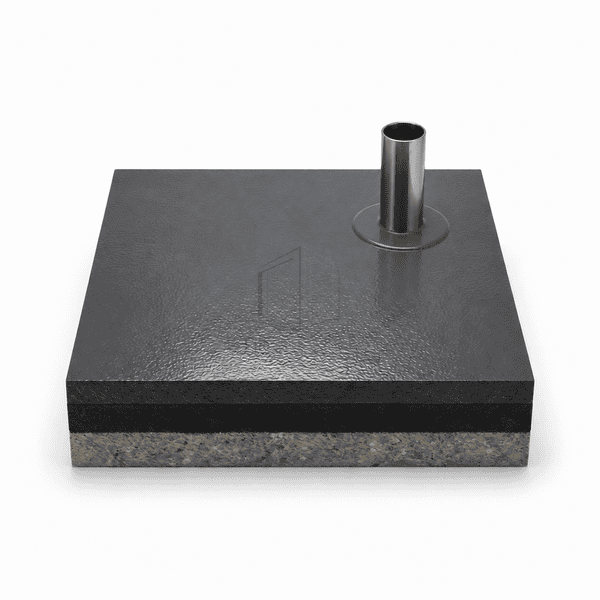
Plan Static Control as a SystemWhere ESD protection is required, consider the flooring construction, grounding and personnel or equipment interfaces together.

Choose Flooring That Supports Your Cleaning and Production Routine

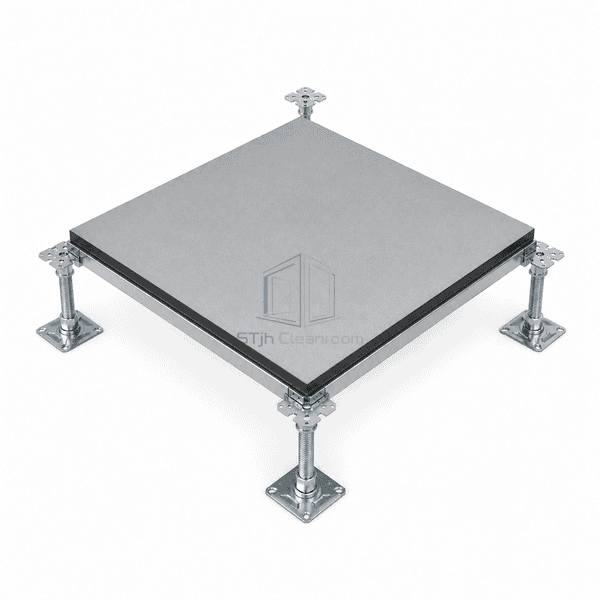
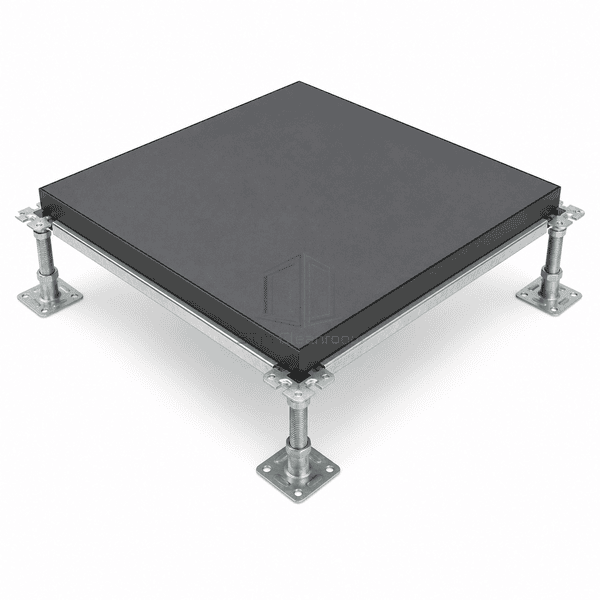
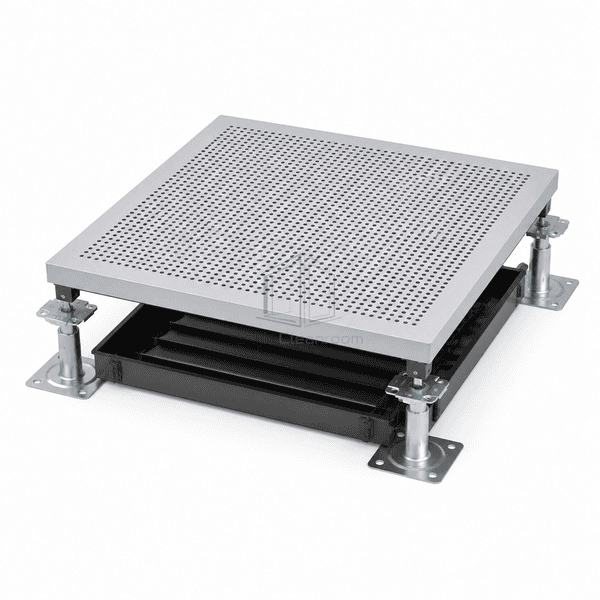
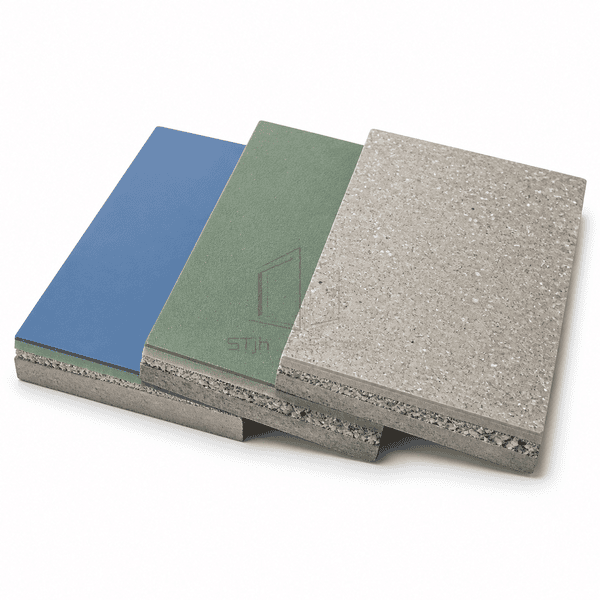
The floor carries traffic, supports equipment and receives the cleaning chemicals used throughout a controlled space. Resin systems can form continuous finishes around detailed layouts; sheet flooring offers different construction and repair considerations. Raised-access floors add a service space below the working surface, but introduce panel joints and load-support details that need their own review.

Start by identifying the demanding exposures. Heavy wheels, wet cleaning, thermal cycling, aggressive chemicals and static-sensitive processes can lead to different material choices. The surface texture must also balance traction and cleanability for the actual operating conditions. A smooth appearance alone does not explain how a floor will perform in use.

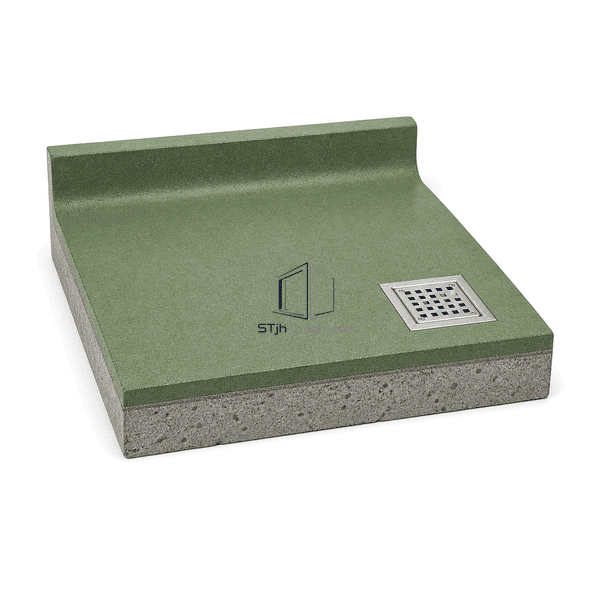
Preparation and interfaces are part of the flooring decision. Substrate condition, moisture, existing movement joints and transitions to walls or drains affect the complete installation. Coving and cover strips help resolve those edges, while an ESD floor requires a compatible installed system rather than a conductive surface material in isolation.

Solutions for Your Purchasing Challenges

A decorative finish deteriorates under trolley traffic or chemical spills.

Compare resin chemistry, construction thickness and wearing-surface options against wheel loads and the actual substances handled.

Hard-to-reach wall edges interrupt an otherwise cleanable floor.

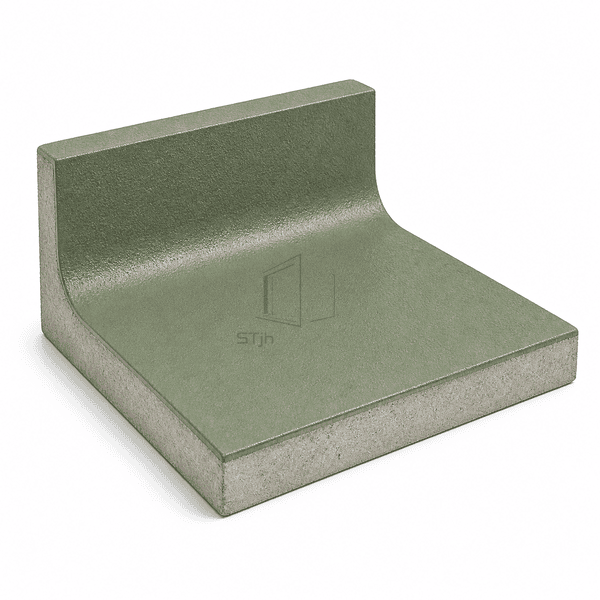
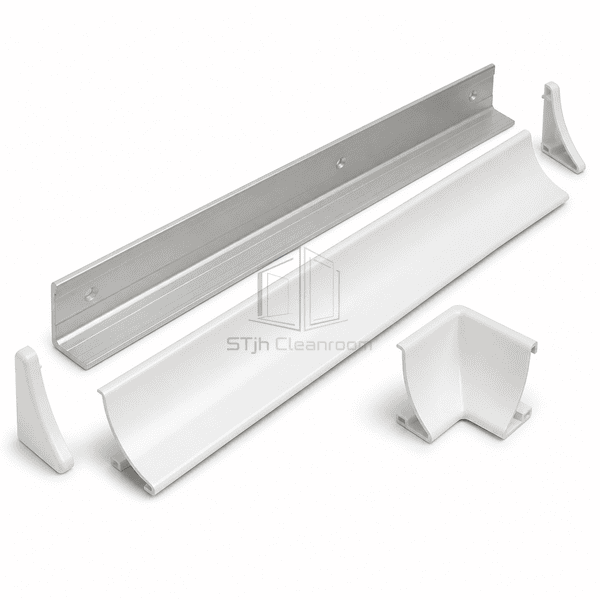
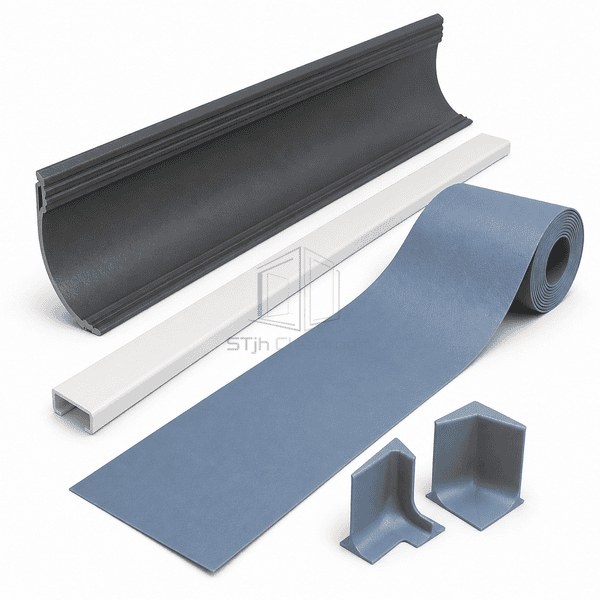
Include cove bases, skirting and transition details in the flooring package so the perimeter can be cleaned using the intended method.

Sensitive assembly needs more than a general antistatic description.

Define the ESD control requirements and assess flooring, grounding, footwear and equipment contacts as a coordinated arrangement.

Subfloor services are difficult to reach after equipment is installed.

Consider raised-access panels where appropriate, with the support system, panel loads and access locations planned around the equipment layout.

Match Products to Your Working Environment

Pharmaceutical Production & Support Rooms

Cleanable floor and cove combinations selected around cleaning agents, equipment bases and pedestrian or trolley traffic.

Electronics & Sensitive Assembly

Conductive or static-dissipative flooring options for use within a defined ESD control program.

Wet or Heavily Loaded Process Areas

Flooring constructions compared against moisture, chemicals, thermal changes and repeated movement of equipment or materials.

Find the Products You Need

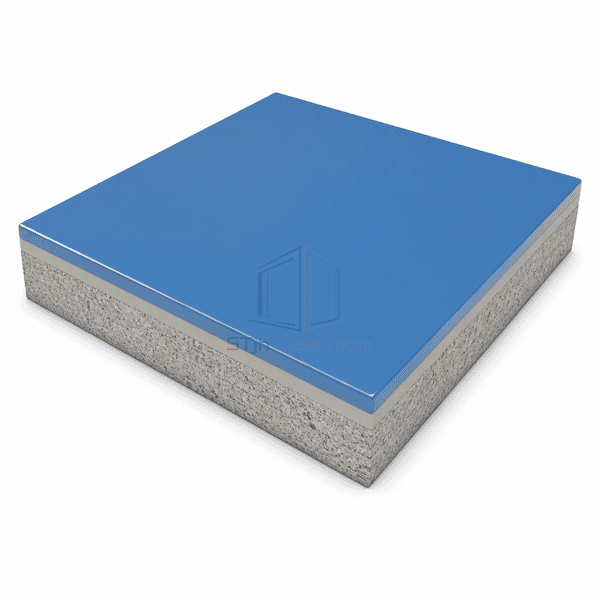
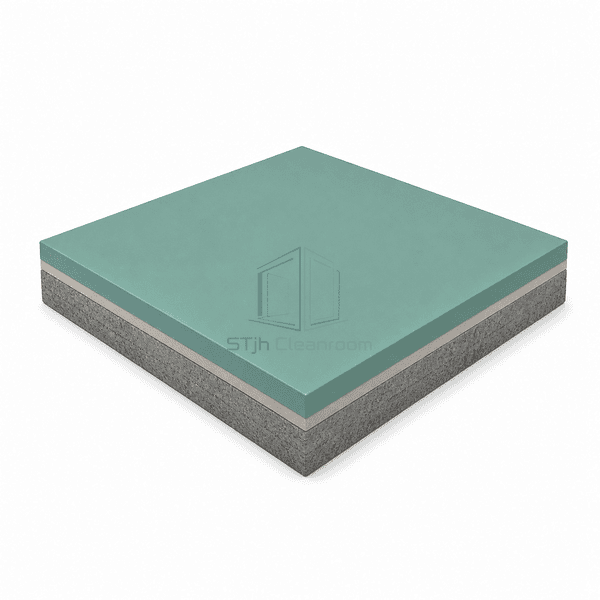
Epoxy Cleanroom Flooring

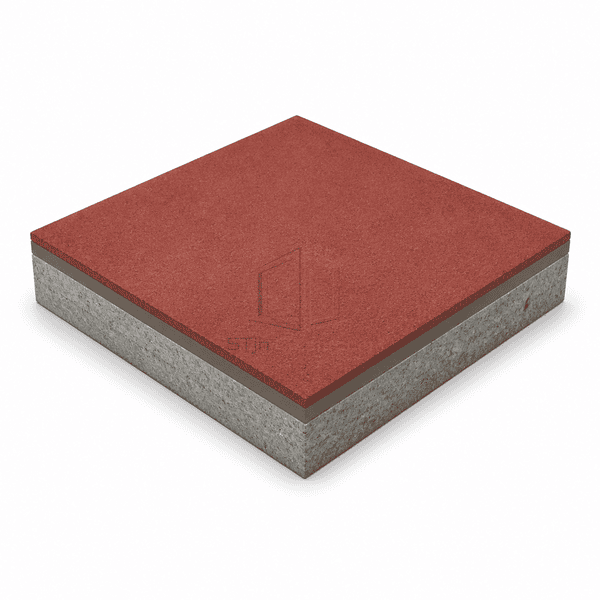
PU & Chemical-Resistant Flooring

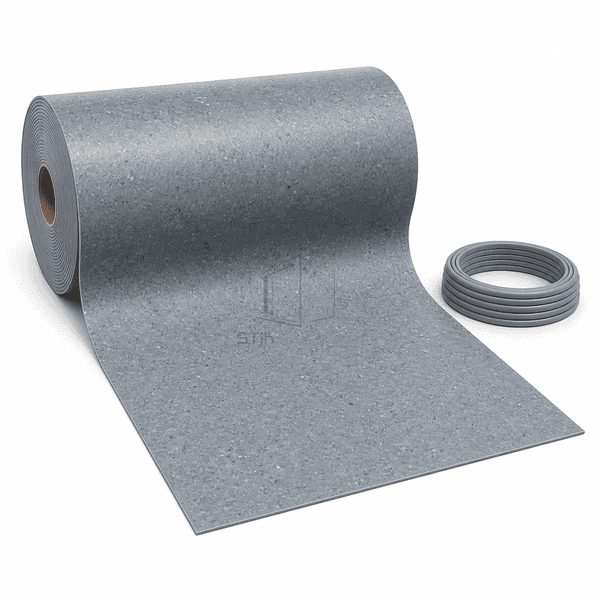
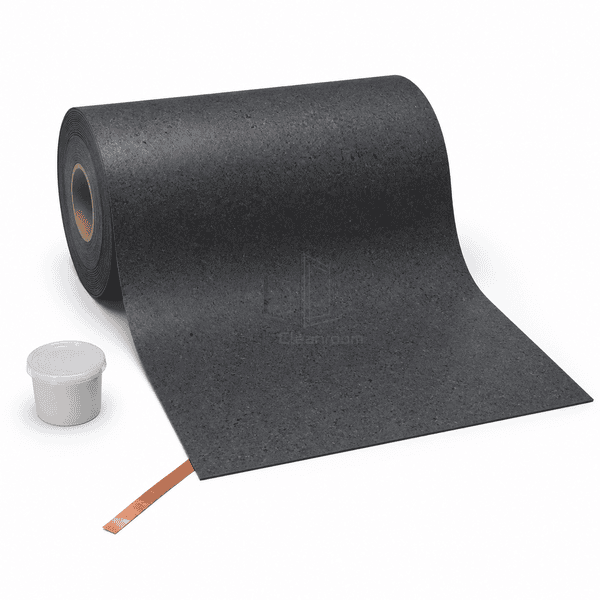
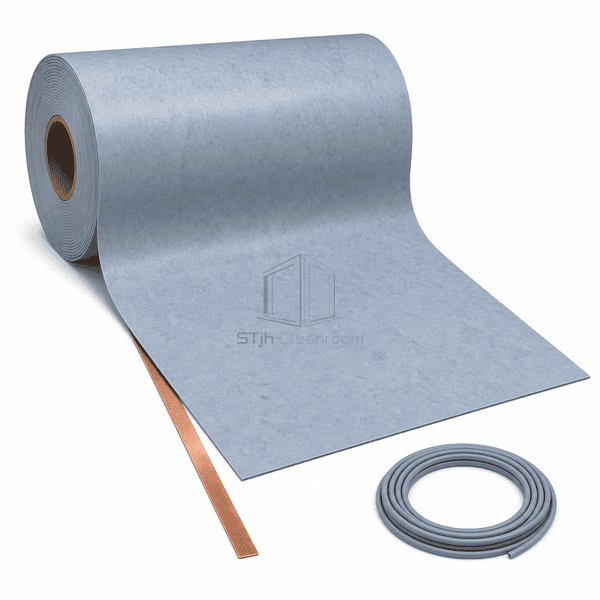
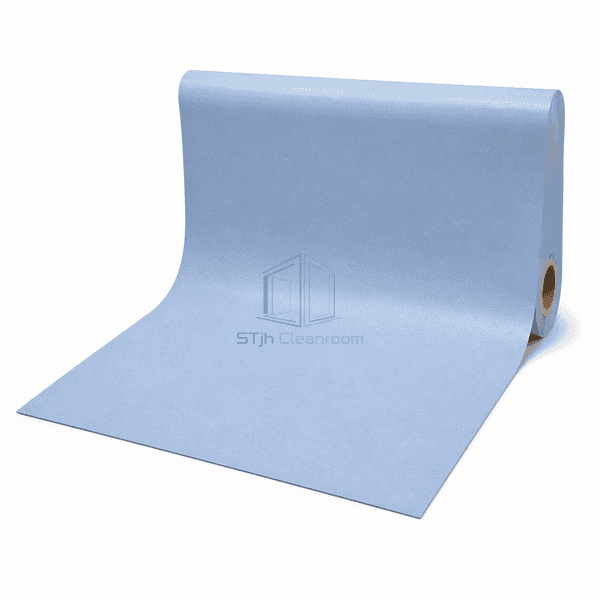
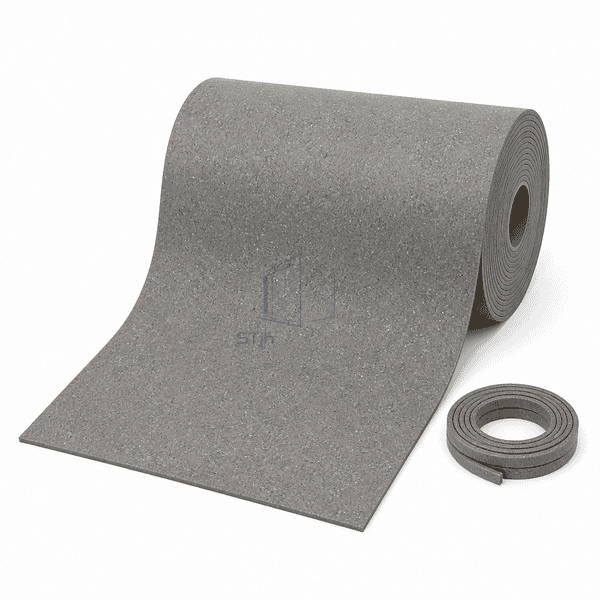
PVC, Vinyl & Rubber Flooring

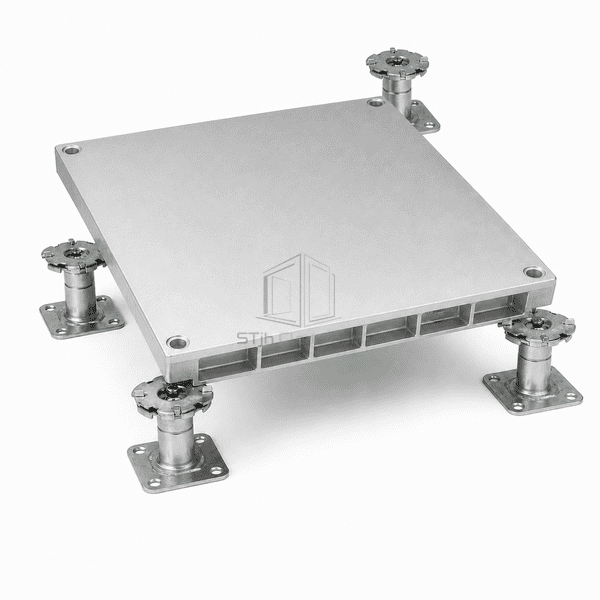
Raised Access Floors

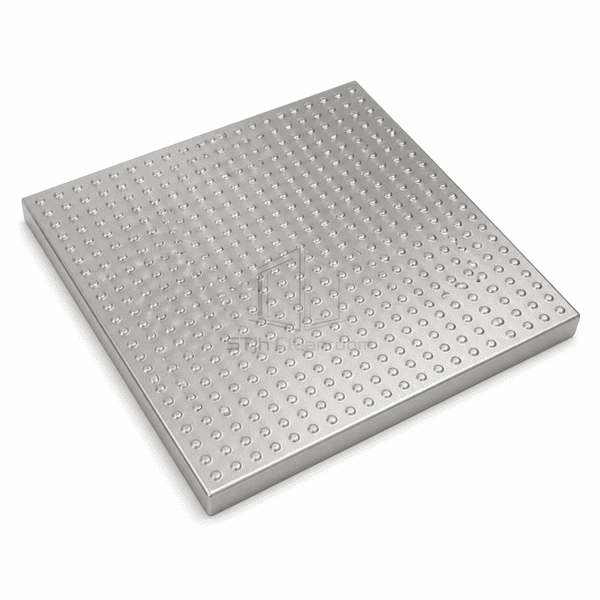
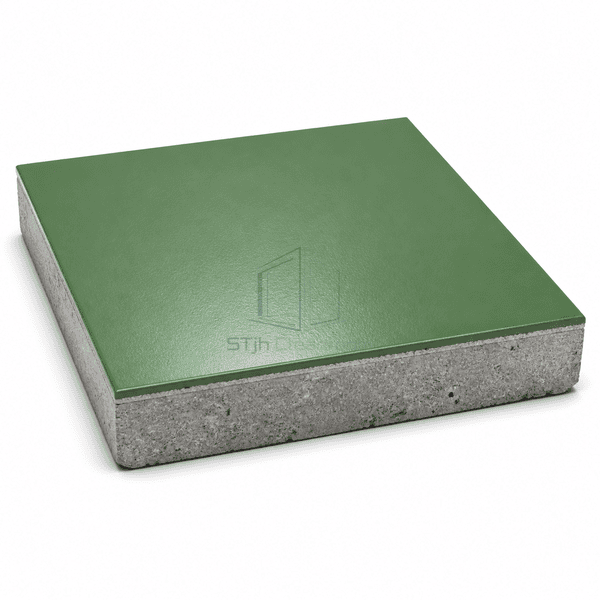
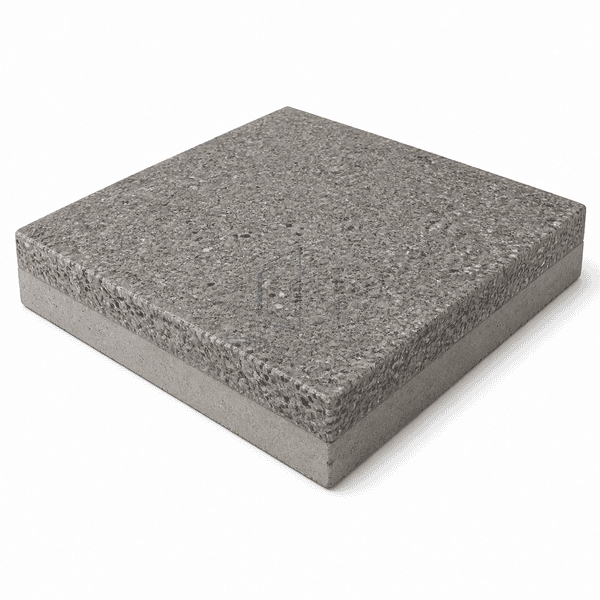
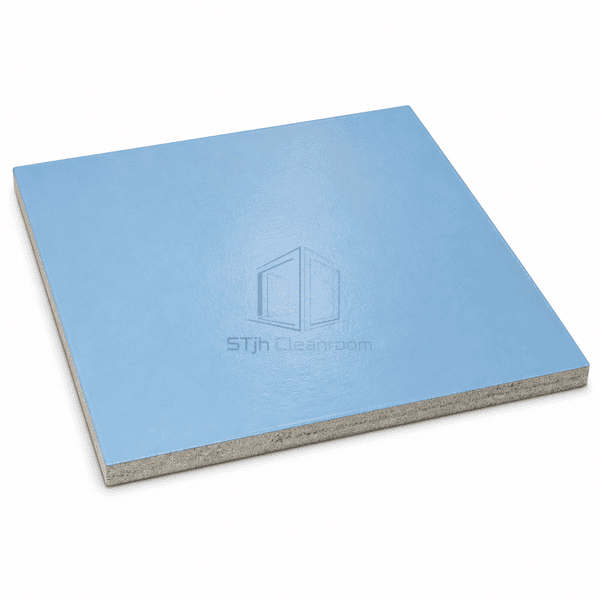
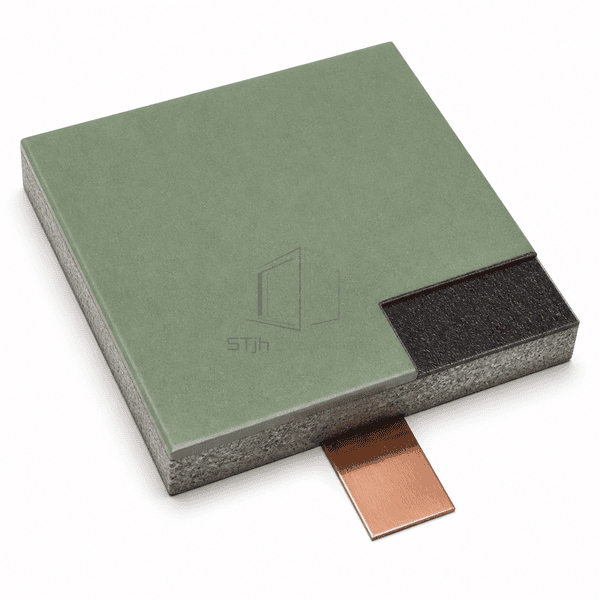
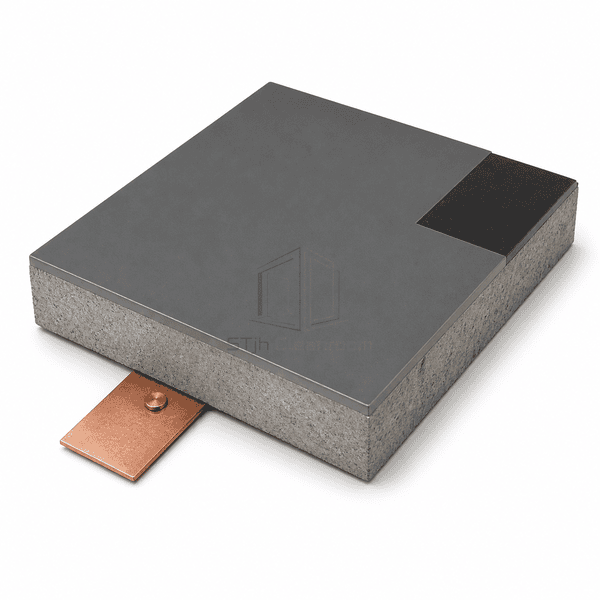
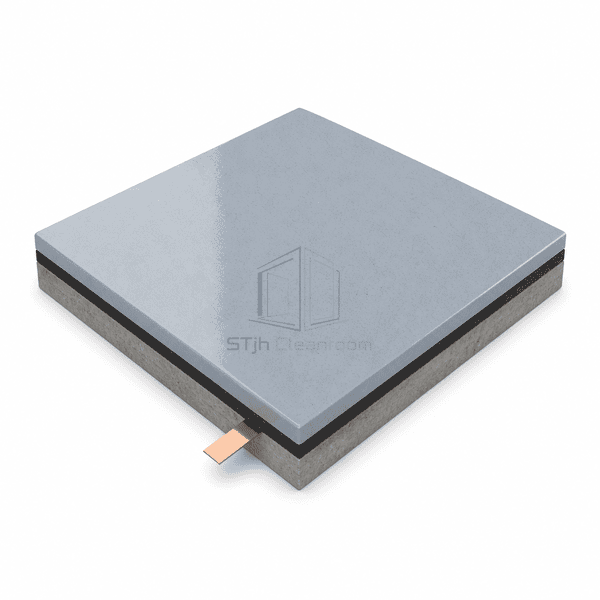
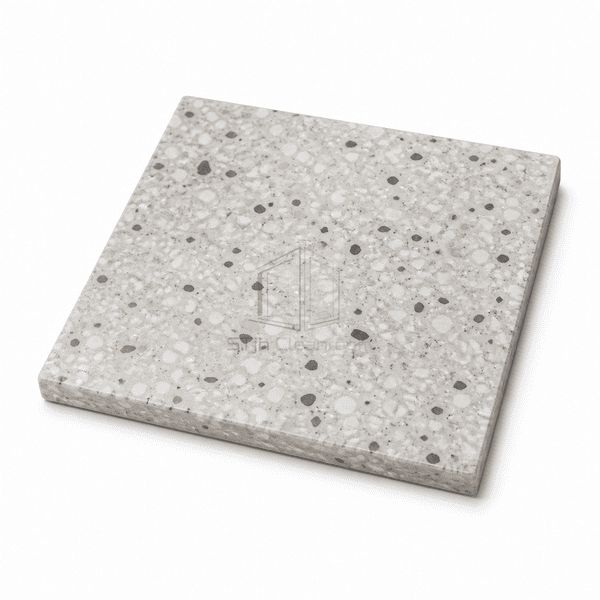
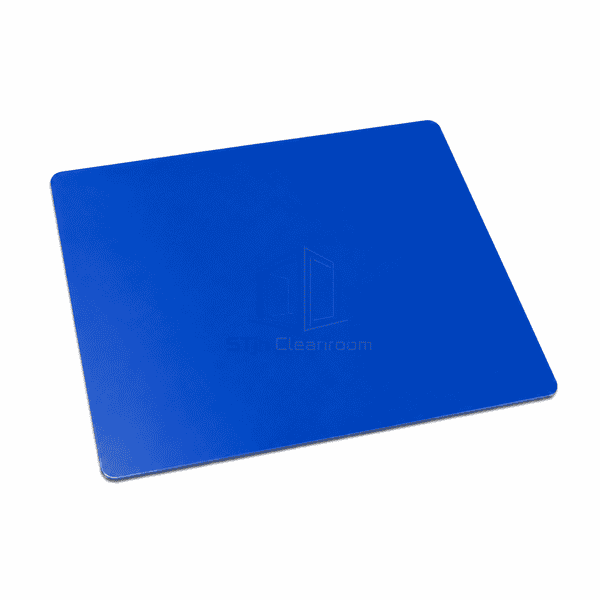
Metal Floor Plates & Resin Systems

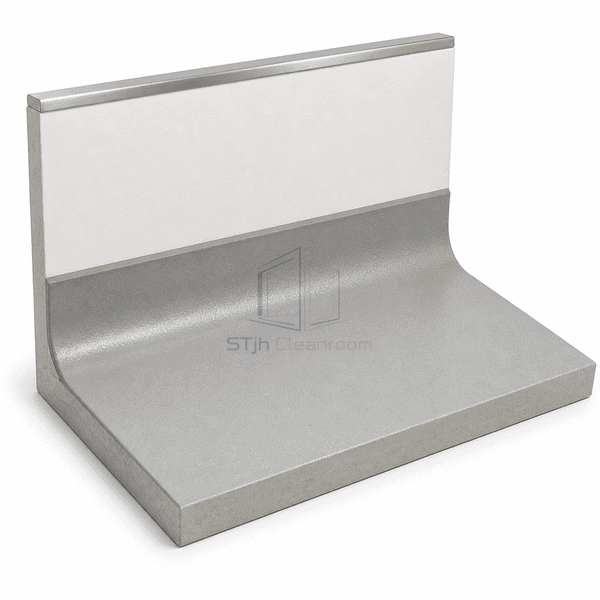
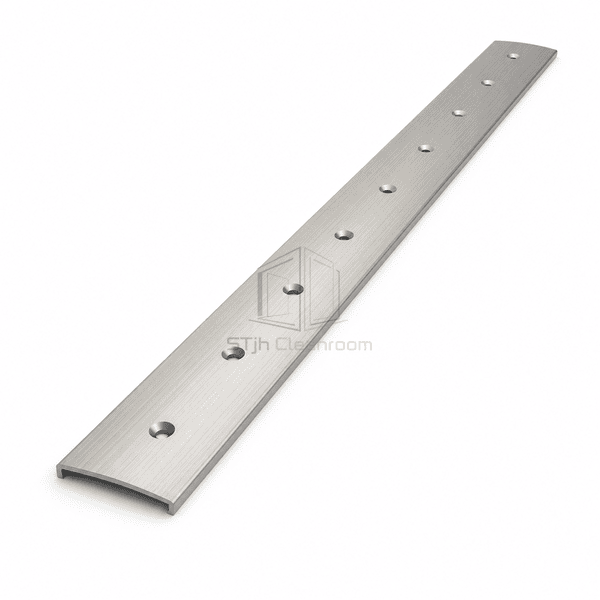
Cove Bases & Floor Accessories

Questions Before You Order

Is epoxy or vinyl better for a cleanroom?

It depends on the substrate, cleaning routine, chemical exposure, traffic and repair strategy. Compare a complete resin or sheet-flooring system against those conditions instead of choosing from the material name alone.

Can conductive flooring replace the rest of an ESD program?

No. Conductive or dissipative flooring works with grounding and compatible personnel or equipment interfaces. Define the required electrical behavior and verify the installed arrangement for the application.

Should floor joints simply be covered with resin?

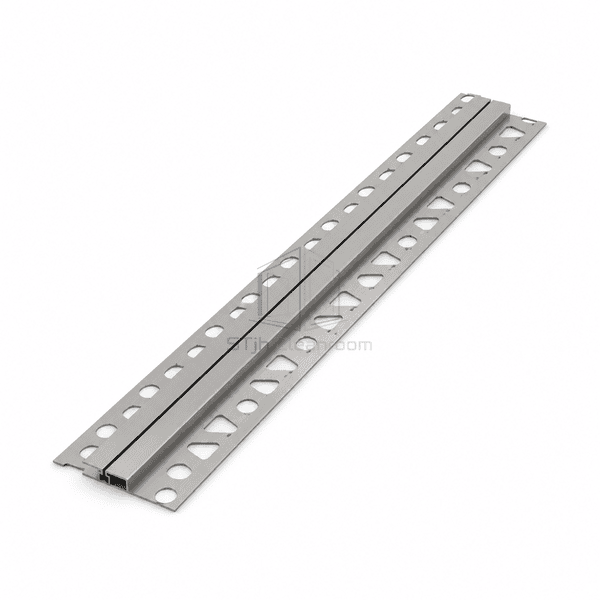
Not indiscriminately. Existing structural movement needs suitable treatment, and wall or drain transitions need compatible details. Provide the substrate and joint layout when requesting flooring options.

Compare Flooring Options for Your Production Area

Tell us about the floor area, substrate, traffic and cleaning conditions. Include any chemical or static-control requirements for a more relevant quotation.

Request a Custom Quote →
Email nous WhatsApp WeChat

Accueil

Produits

Actualités

À propos

Contact