 EnglishCurrent
 葡萄牙语
葡萄牙语 西班牙语
西班牙语 马来语
马来语 印尼语
印尼语 德语
德语 土耳其语
土耳其语 越南语
越南语 法语
法语 俄语
俄语 阿拉伯语
阿拉伯语 泰语
泰语 日语
日语 韩语
韩语A utility meets requirements at the source but changes in distribution.
Select compatible storage, pipework, circulation and point-of-use components together with the generation system.



Support your cleanroom processes with utilities selected from source to point of use. Explore water purification, clean steam, compressed air, vacuum, gas delivery and exhaust treatment equipment. Match quality requirements, demand and distribution conditions across the system, helping you avoid mismatched components and build a more practical supply arrangement for production, laboratories and supporting equipment.
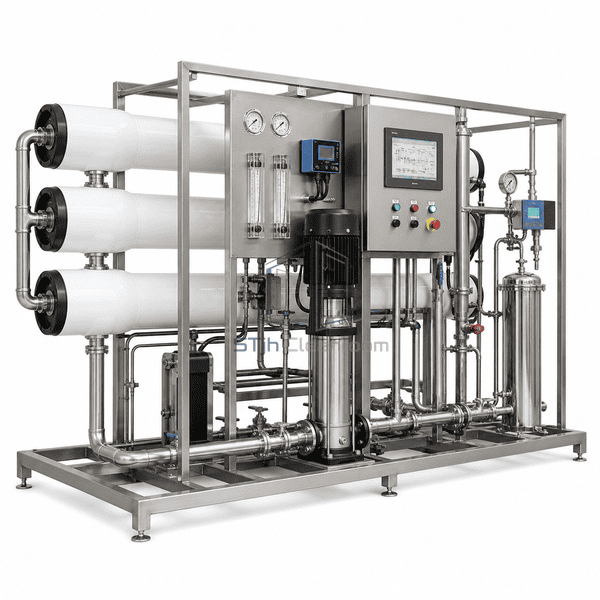
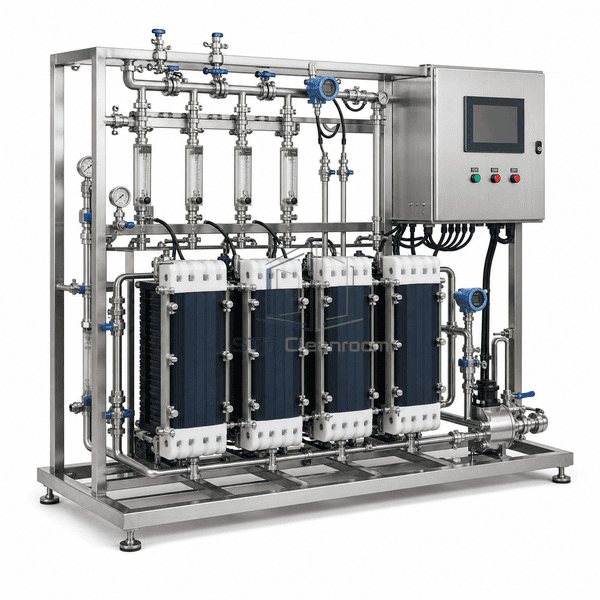
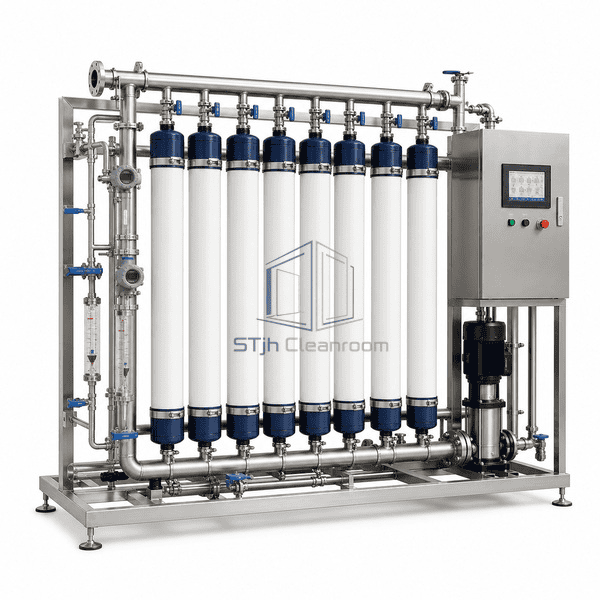
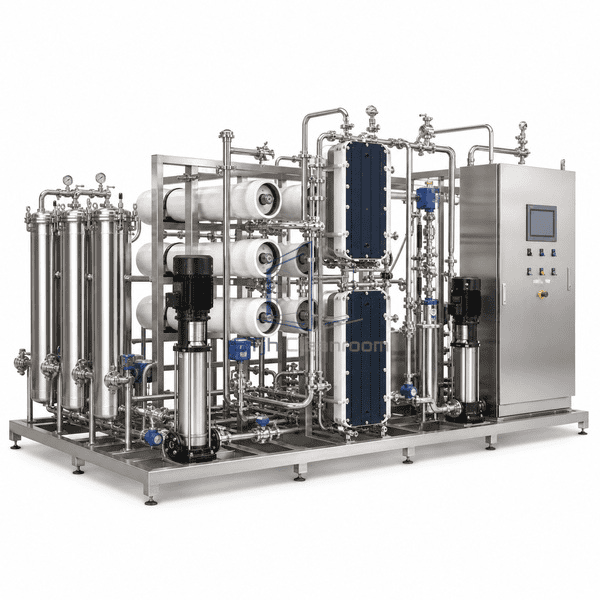
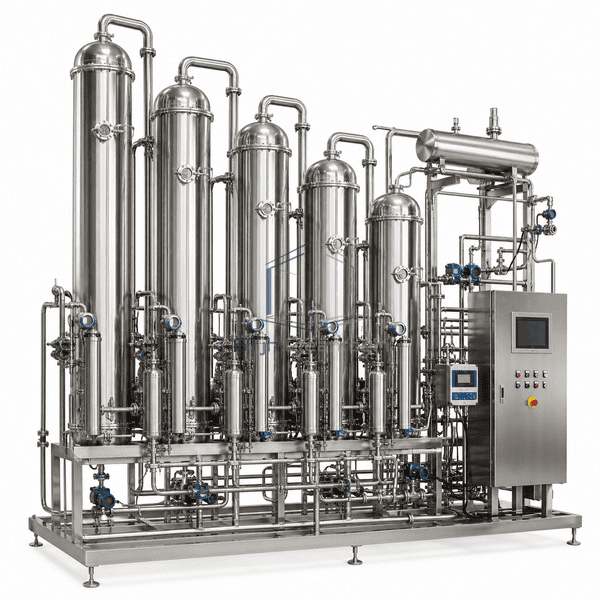
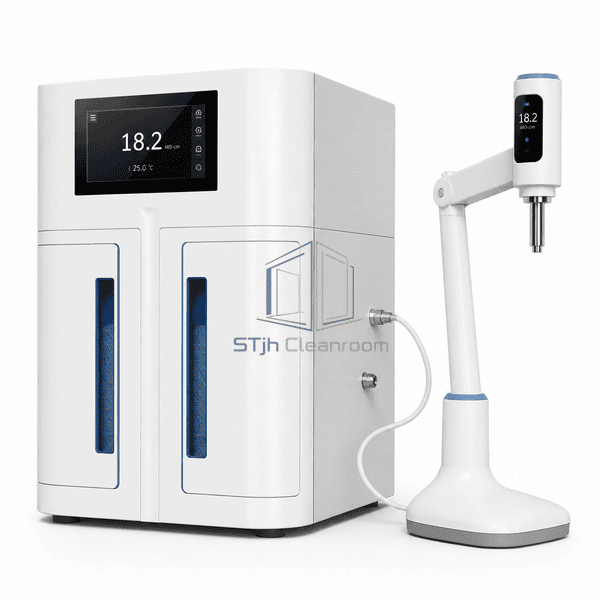
Compare purification stages and complete generation equipment for the required water quality. Begin with feedwater conditions, process demand and the intended laboratory or manufacturing use of the water.
Explore Products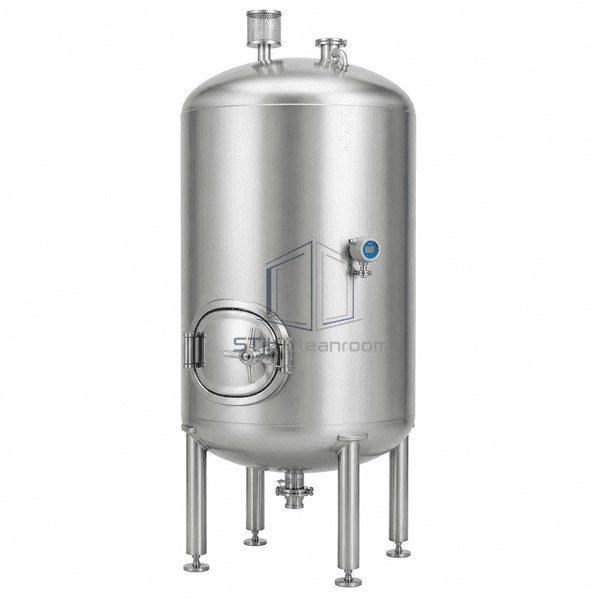
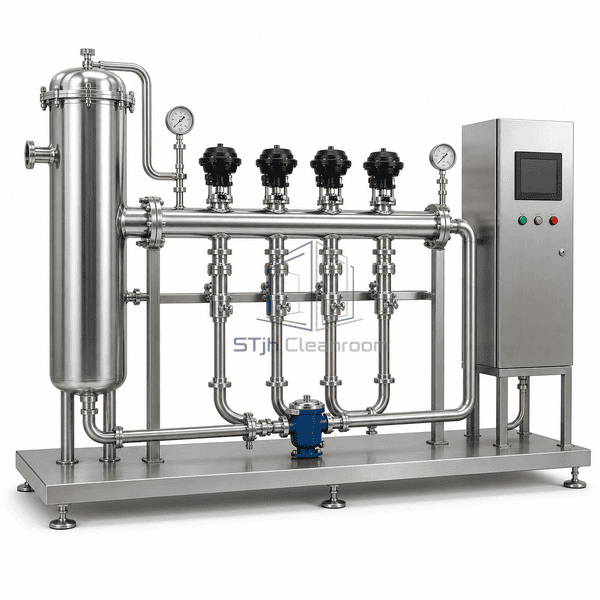
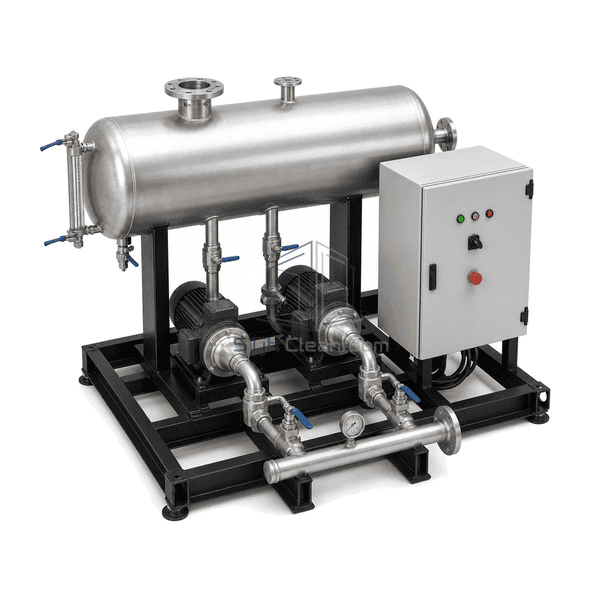
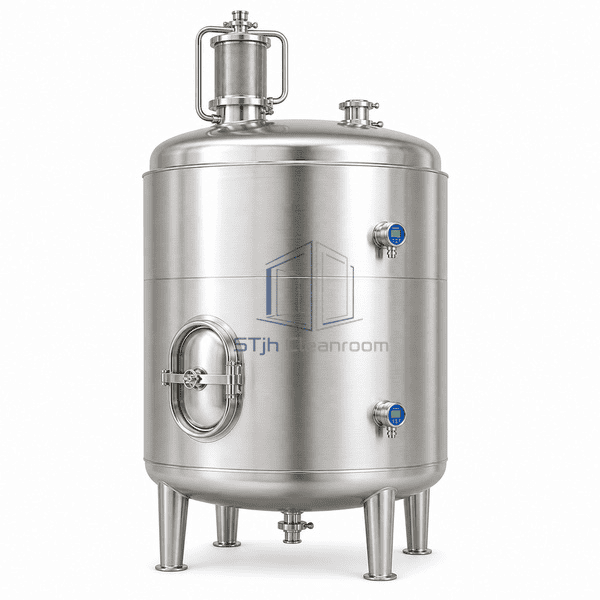
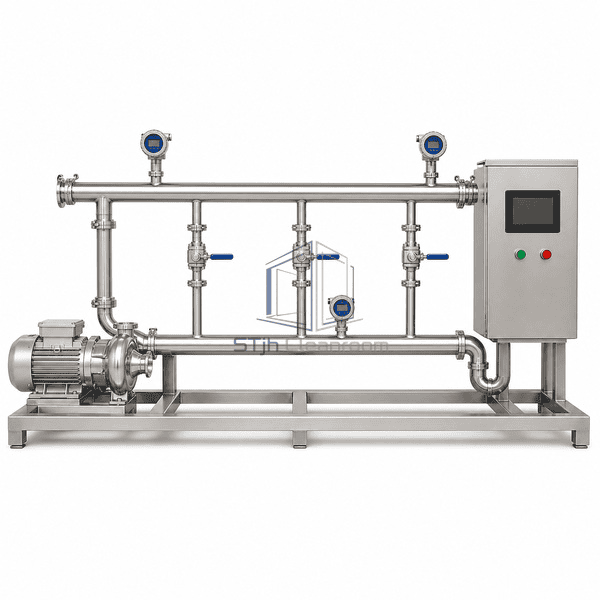
Preserve the intended water conditions through compatible tanks, pumps, valves and circulation components. Consider temperature, drainage, sanitization and sampling access across the complete distribution path.
Explore Products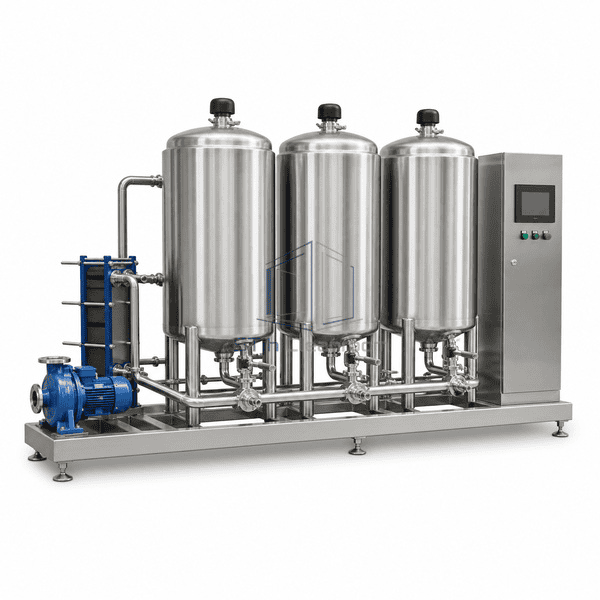
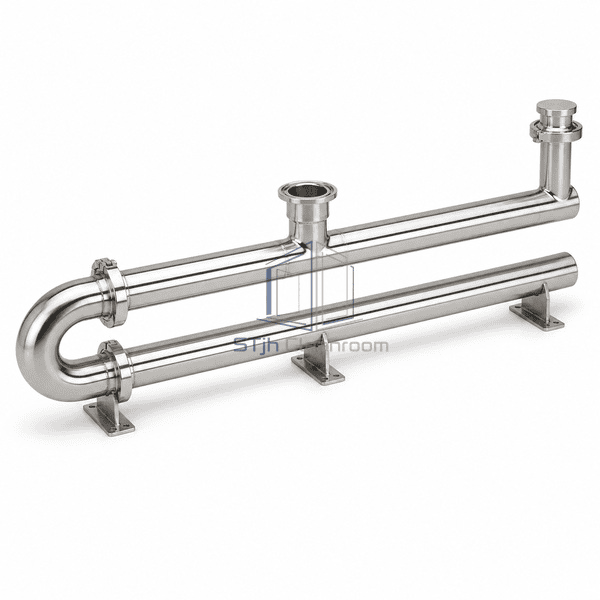
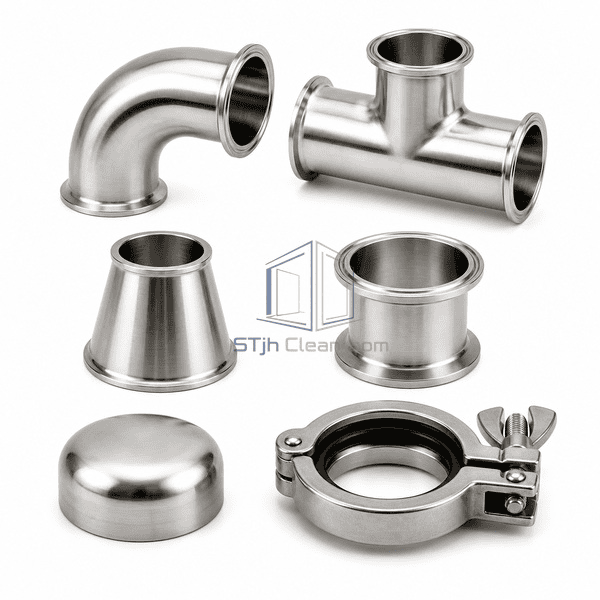
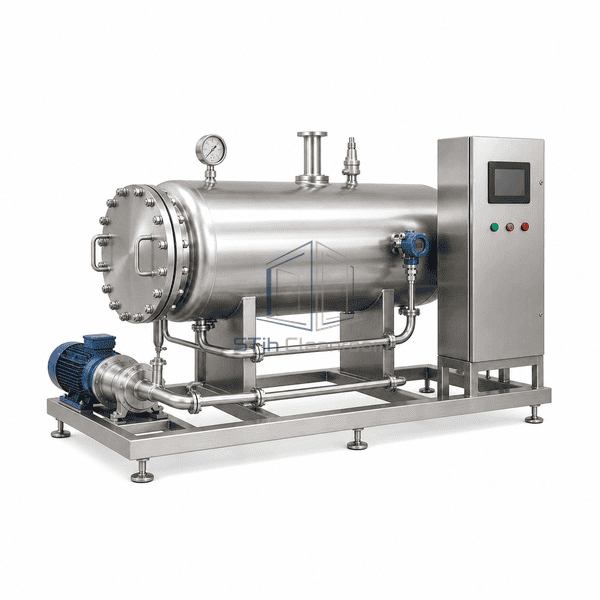
Support cleaning and thermal treatment of compatible process systems with dedicated equipment and hygienic pipework. Match connections, materials and operating conditions to the system being cleaned or sterilized.
Explore Products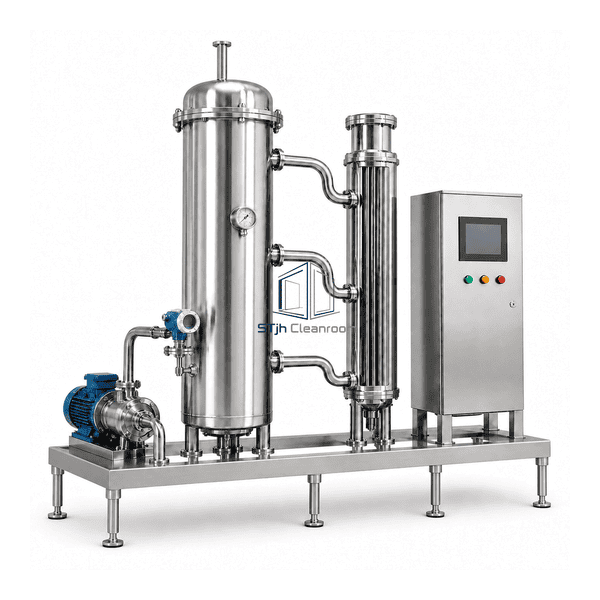
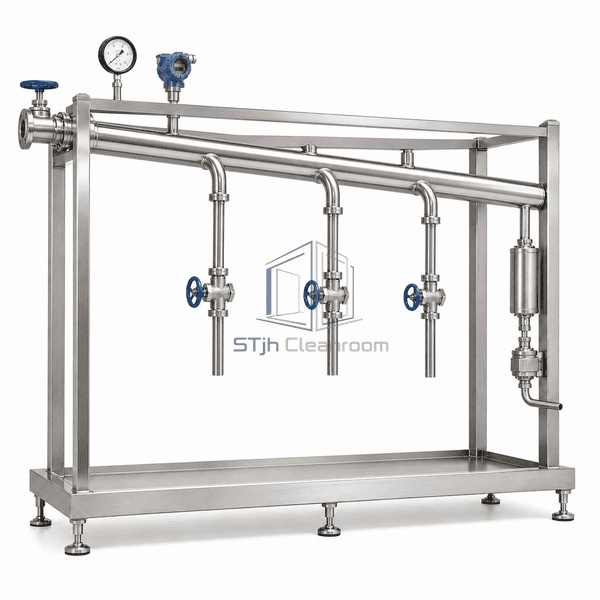
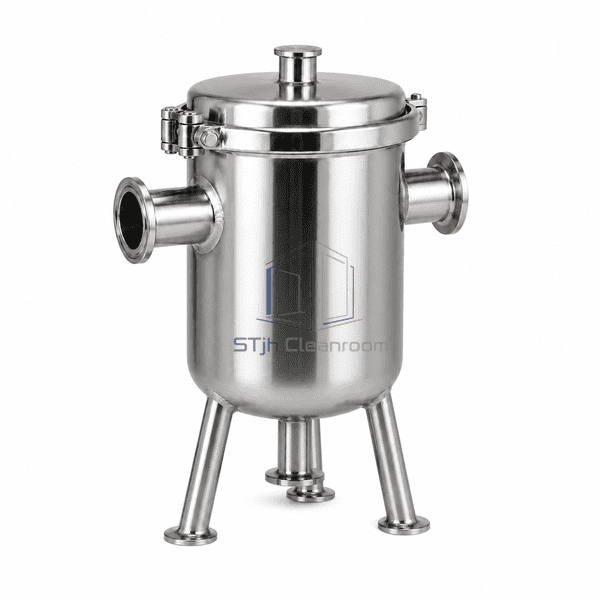
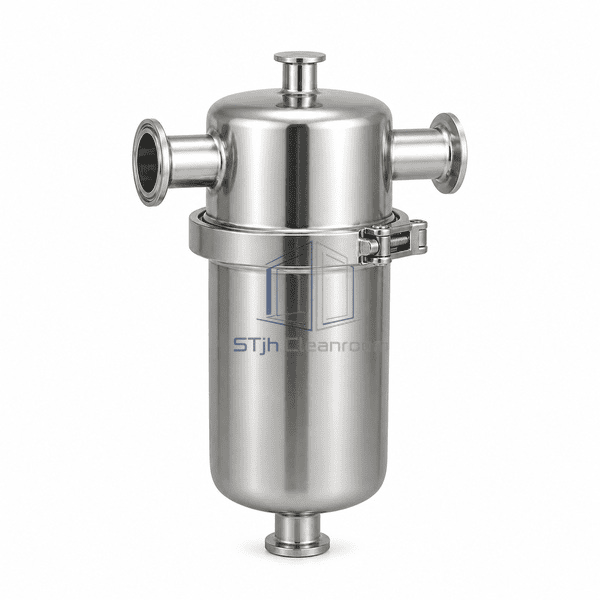
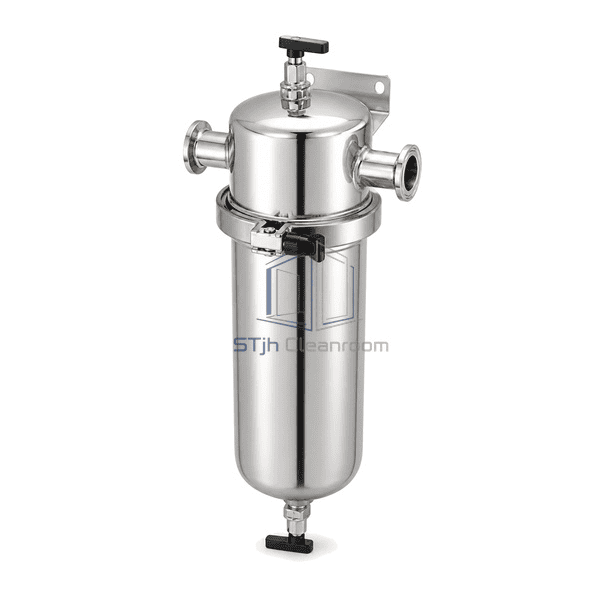
Coordinate steam generation and distribution for the process requirement. Select separators, filters, traps and condensate handling with steam quality, pressure, material compatibility and drainage in mind.
Explore Products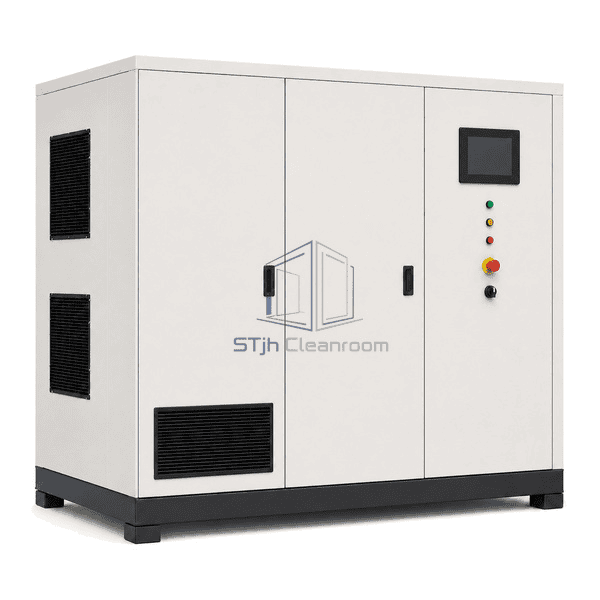
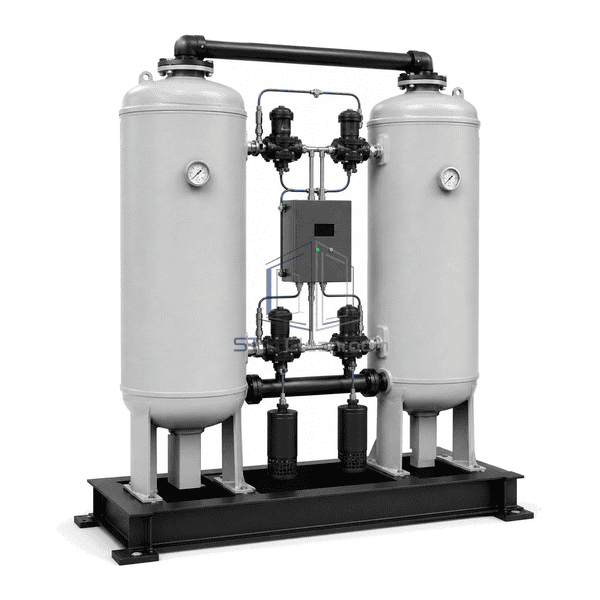
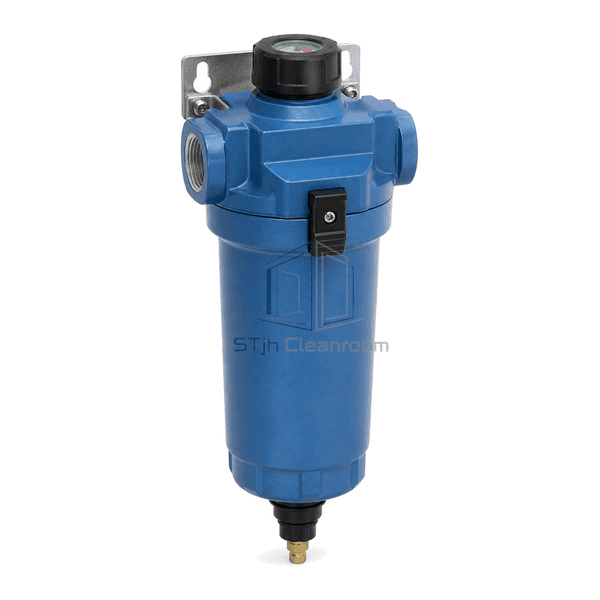
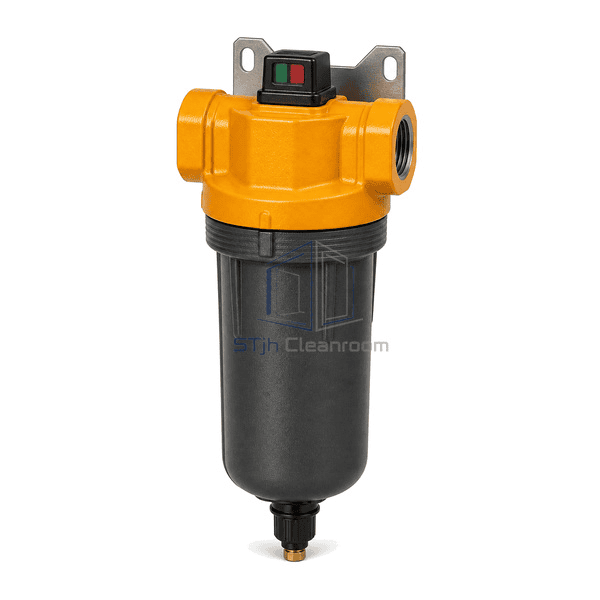
Build the compressed-air supply from compressor through drying, filtration and point-of-use control. Compare quality requirements and demand rather than assuming compressor selection alone defines delivered air cleanliness.
Explore Products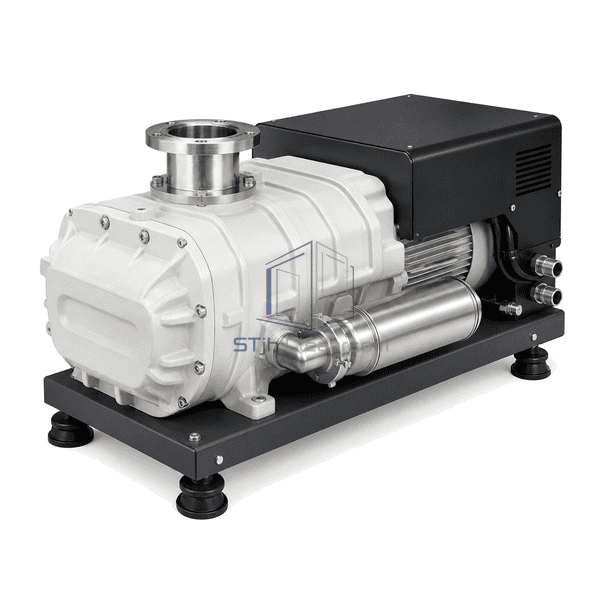
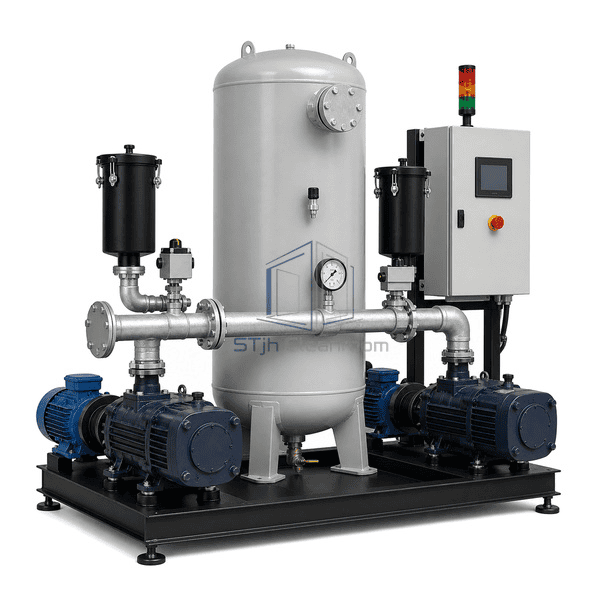
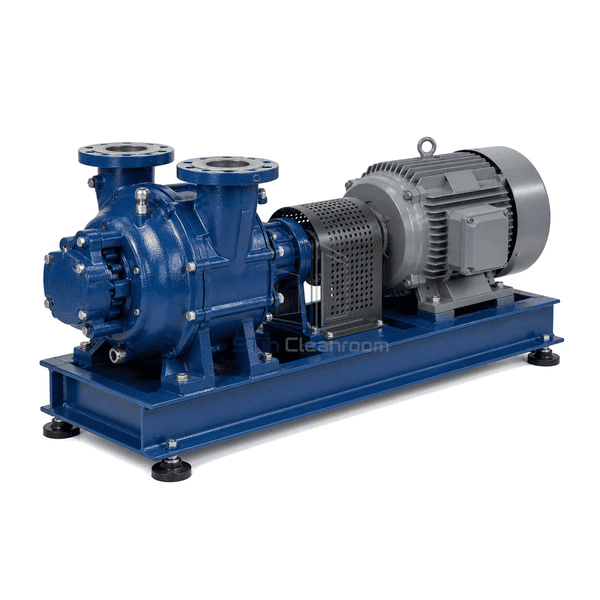
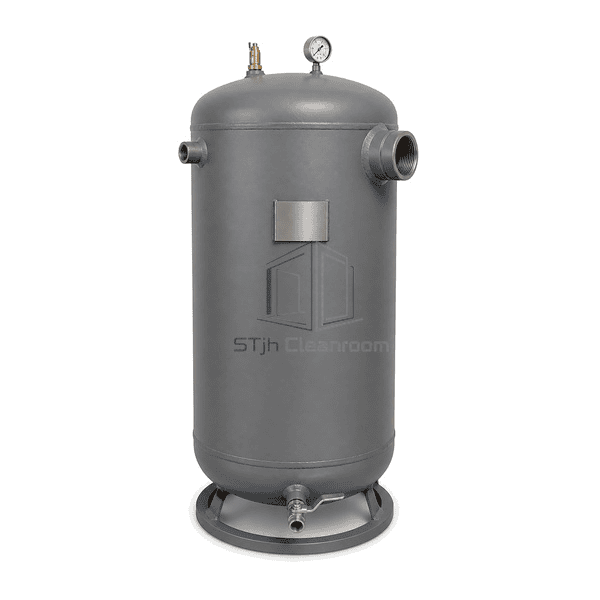
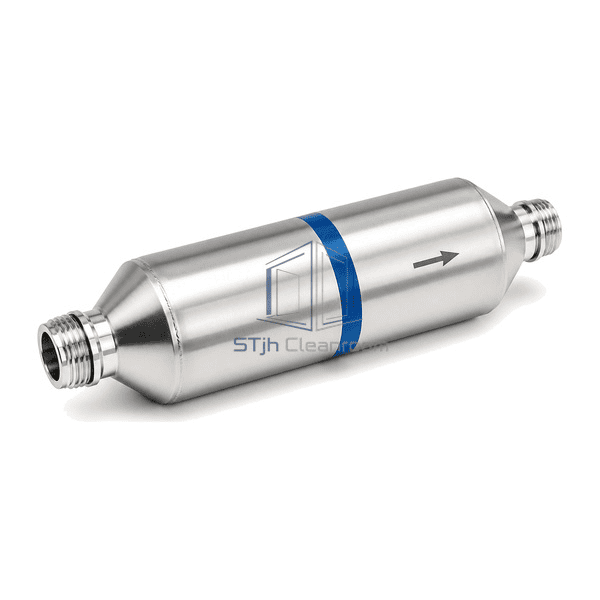
Select vacuum generation, receivers, filtration and terminal controls around the process load. Consider gas composition, liquid carryover, exhaust handling and the vacuum level required by connected equipment.
Explore Products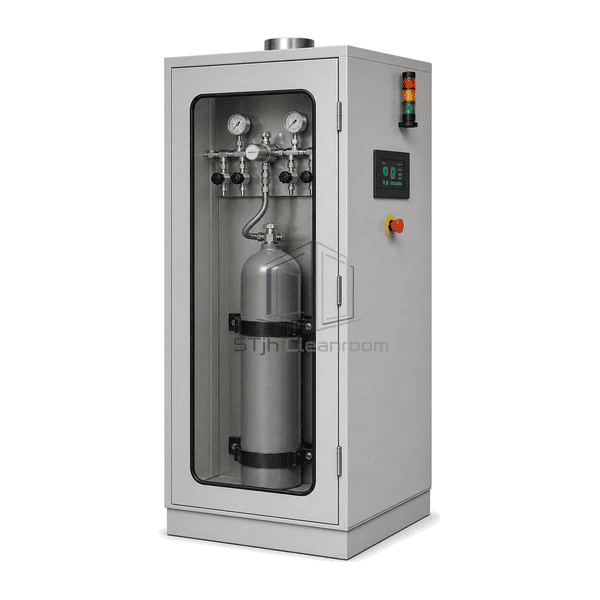
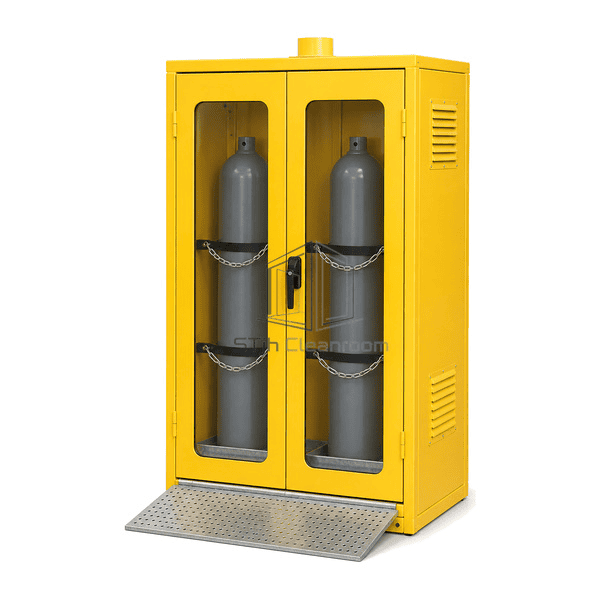
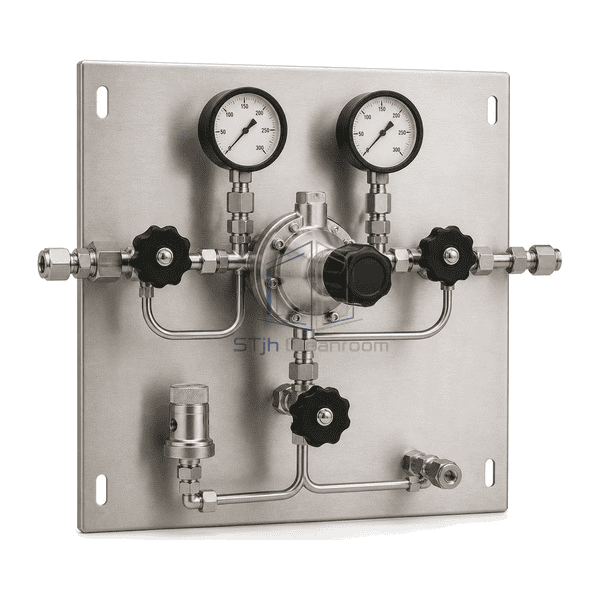
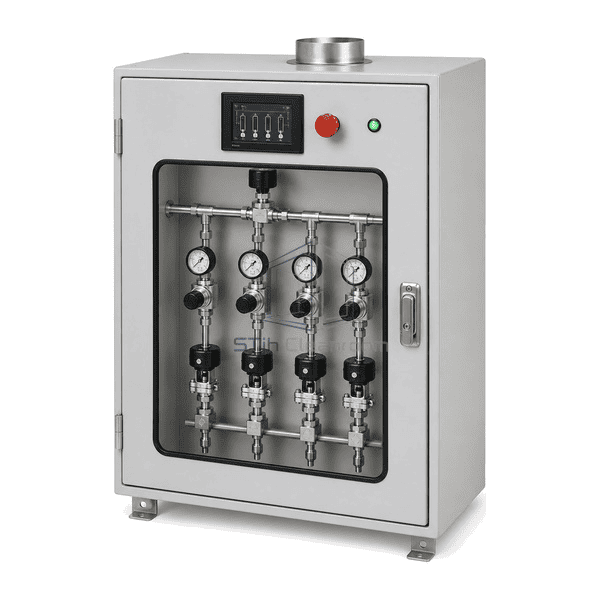
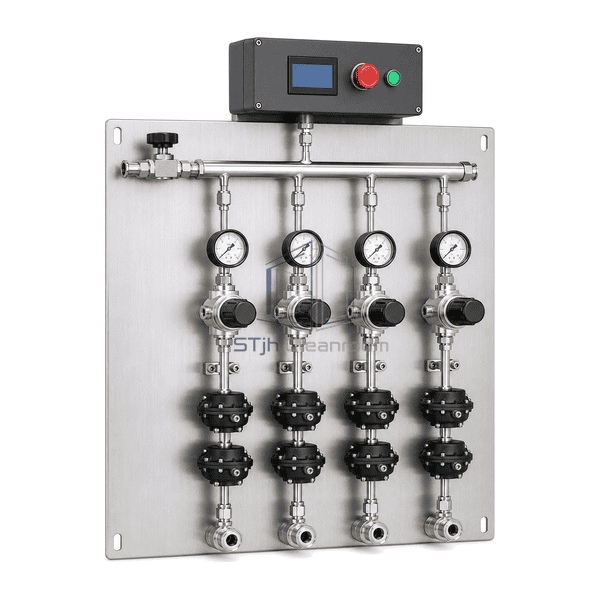
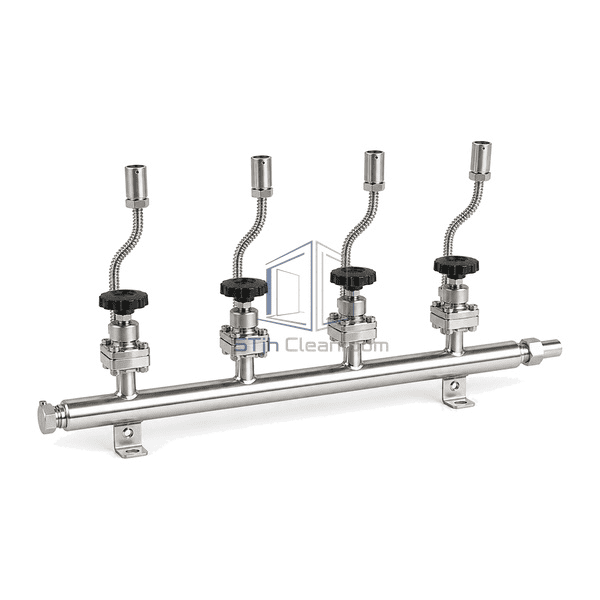
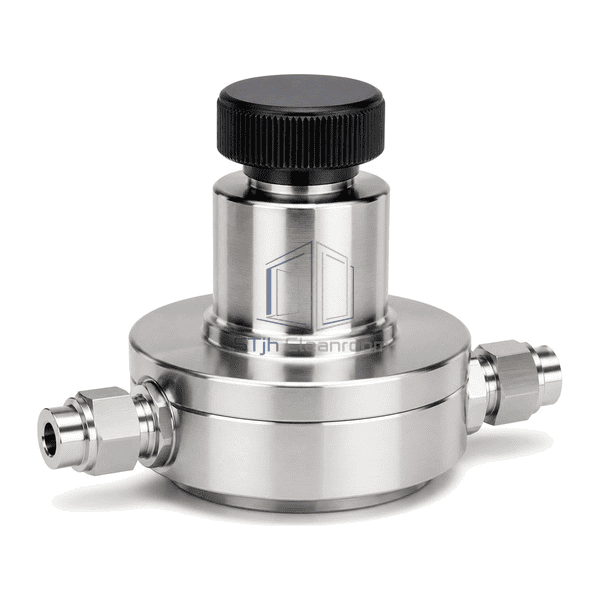
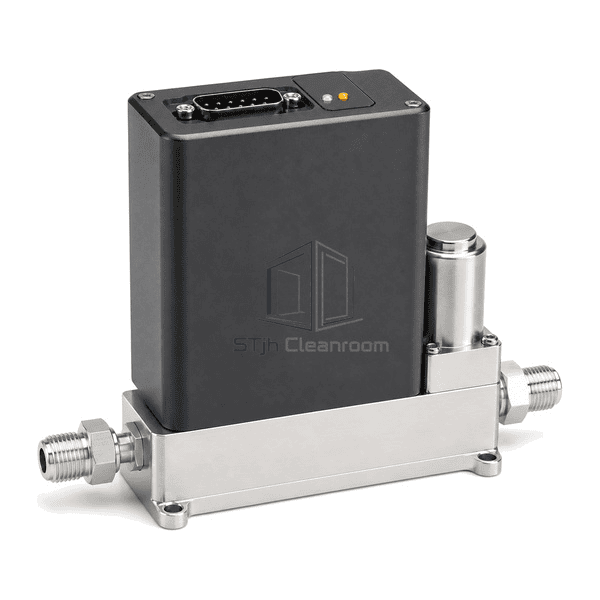
Deliver process gases using compatible cabinets, manifolds, regulators and tubing. Specify gas properties, purity, flow and safety functions so equipment selection follows the application and qualified system design.
Explore Products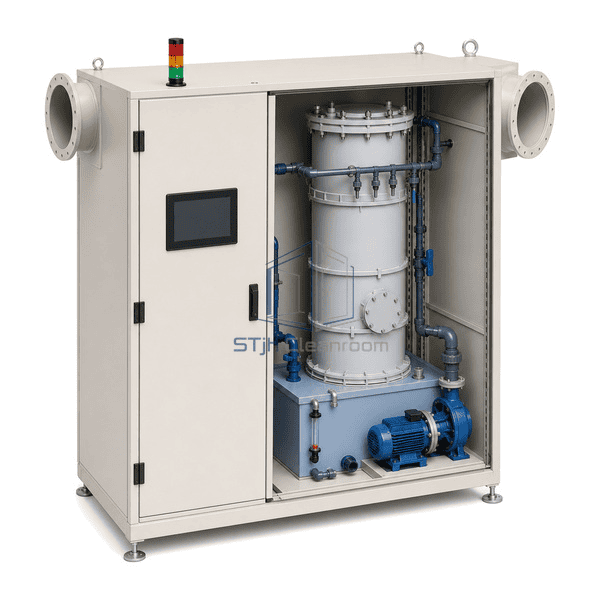
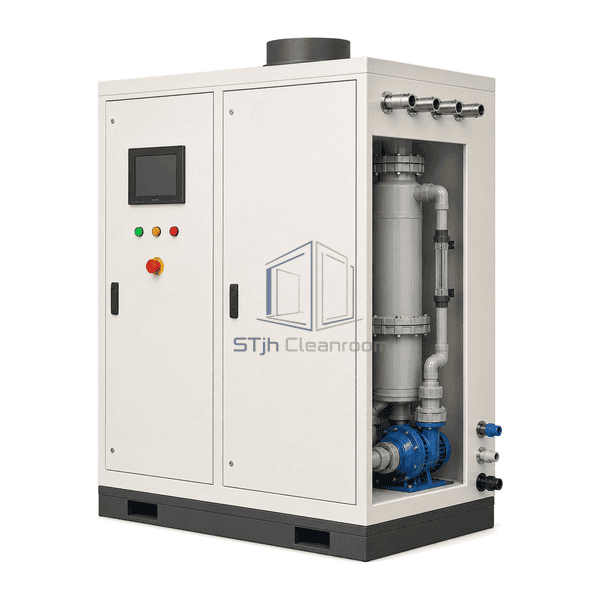
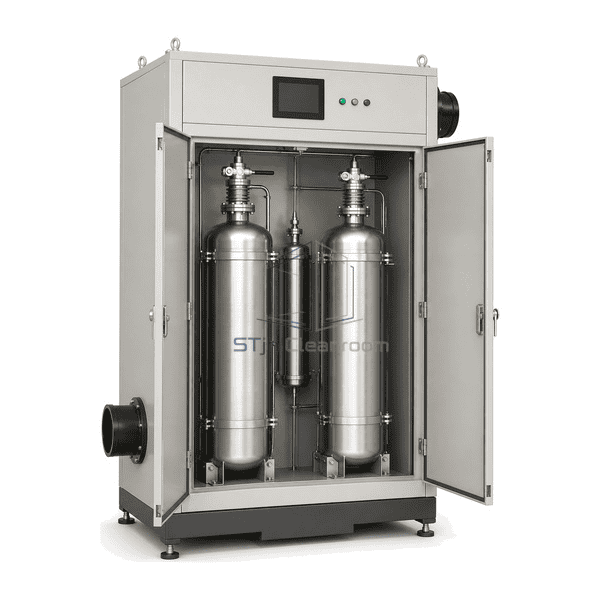
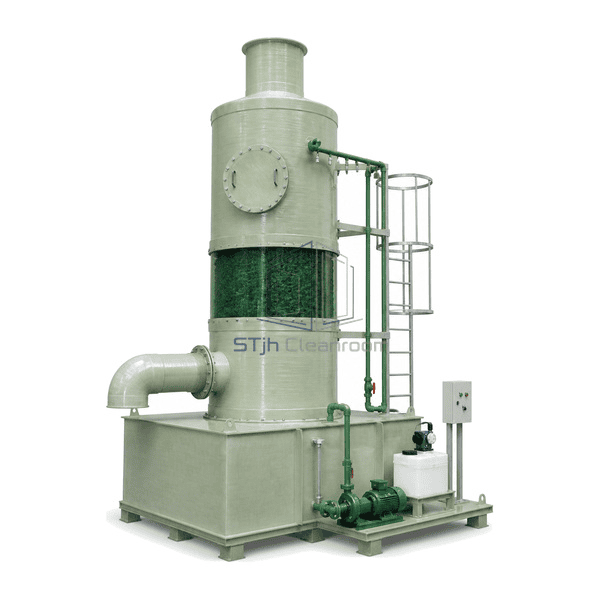
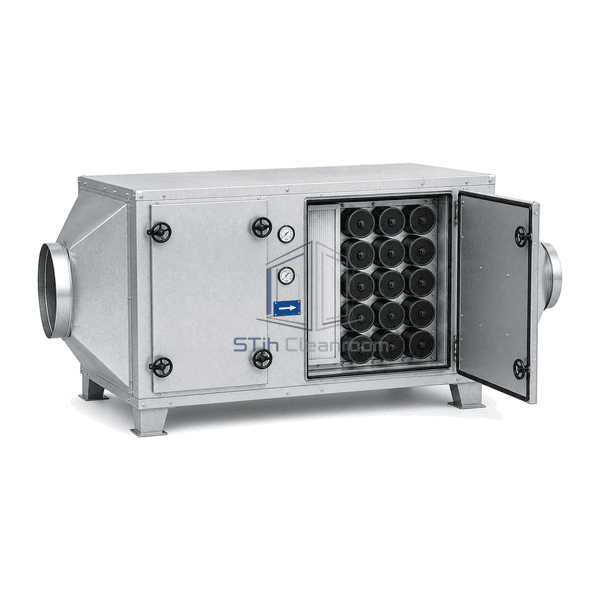
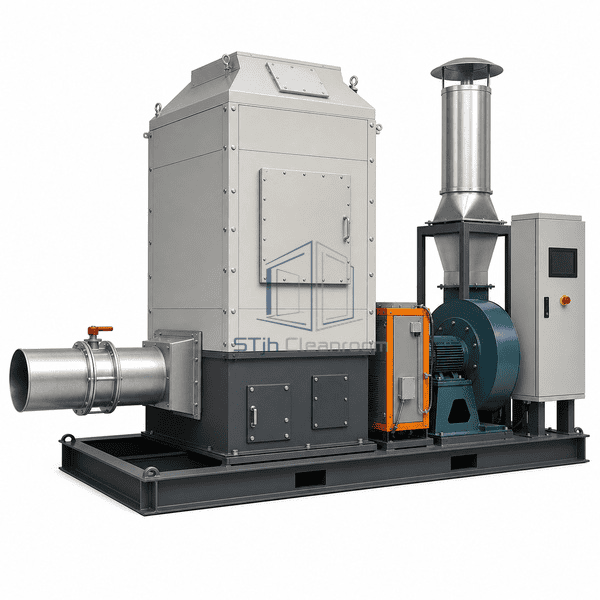
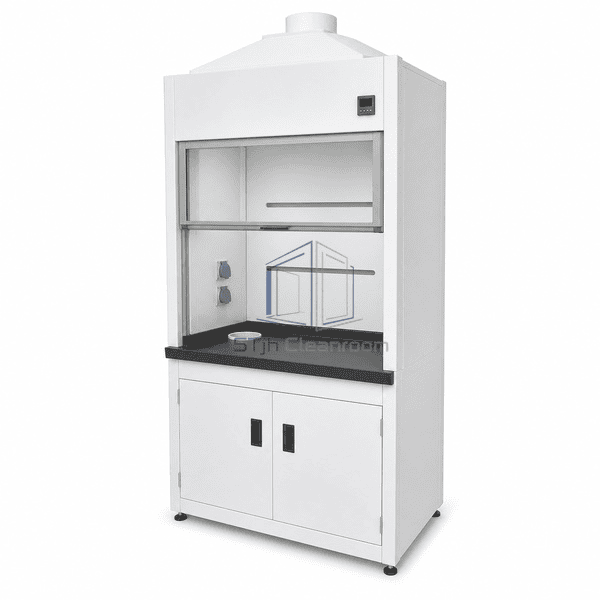
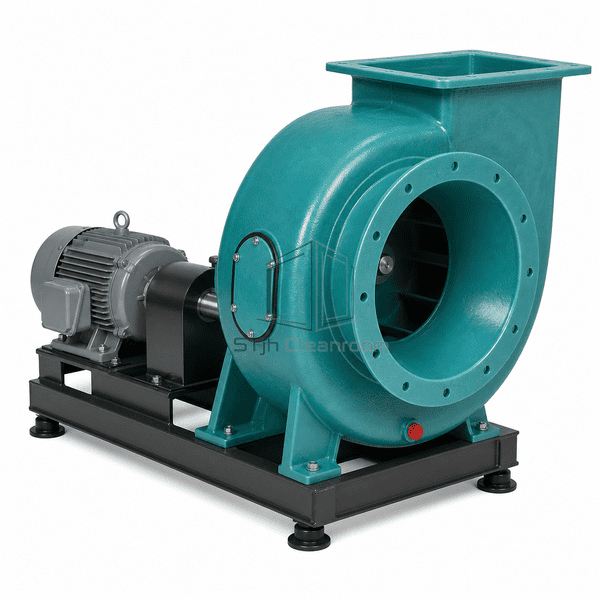
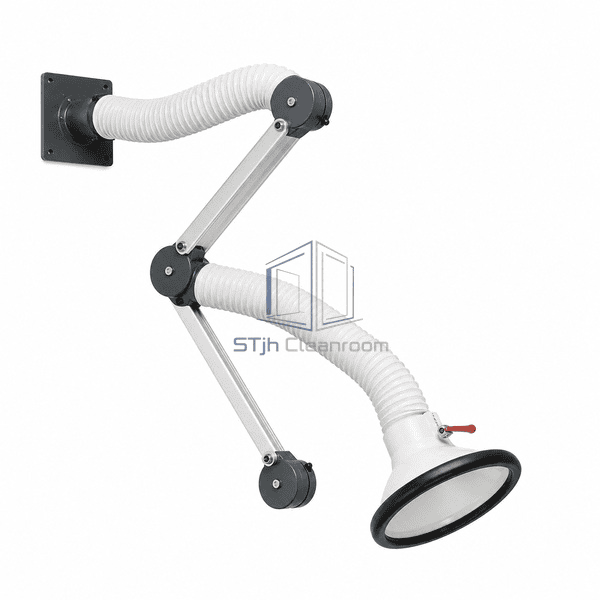
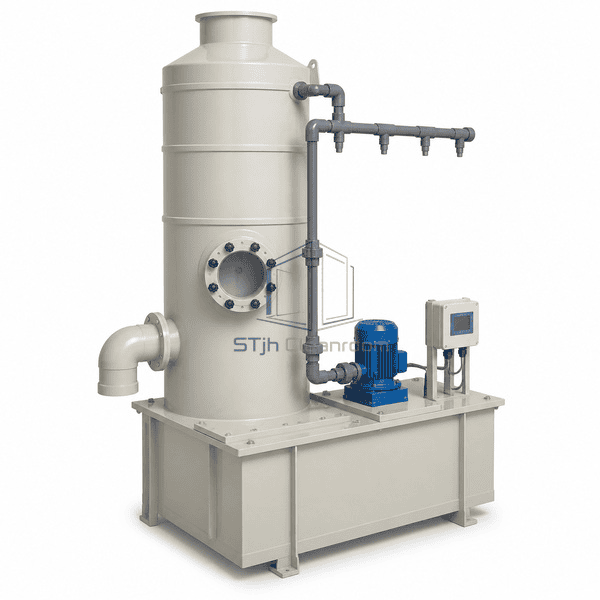
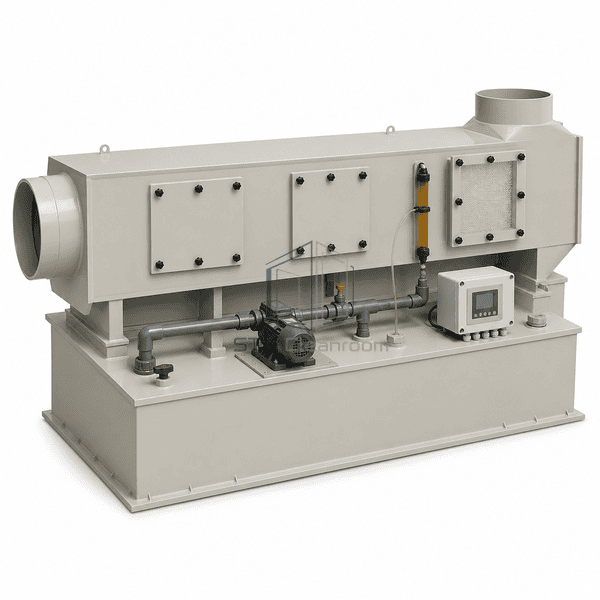
Capture and treat exhaust according to its actual chemical and particulate content. Compare wet, dry, carbon and filtration approaches with contaminant compatibility, operating conditions and maintenance access.
Explore ProductsA process utility is only useful when it arrives with the required quality, pressure, flow and temperature. Generation equipment is one part of that supply path; storage, distribution and terminal components also need to suit the intended process.
Water systems bring purification and hygienic handling together. Compressed air systems combine compression, drying and filtration. Vacuum and specialty gas installations introduce different material and safety requirements, while exhaust equipment must address the actual substances being removed.
STjh can help organize these connected requirements into an equipment inquiry. Start with the utility specification and consumption profile, then identify the generation, distribution, control and treatment products relevant to the process. Keep hazardous gas and exhaust selections tied to qualified system design.
Select compatible storage, pipework, circulation and point-of-use components together with the generation system.
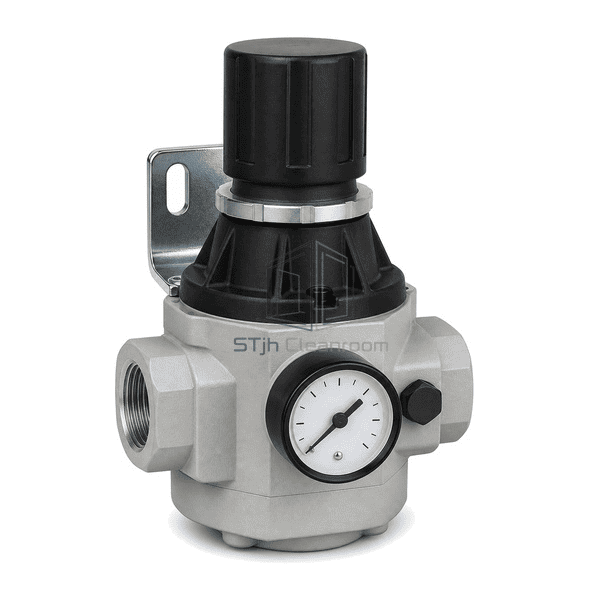
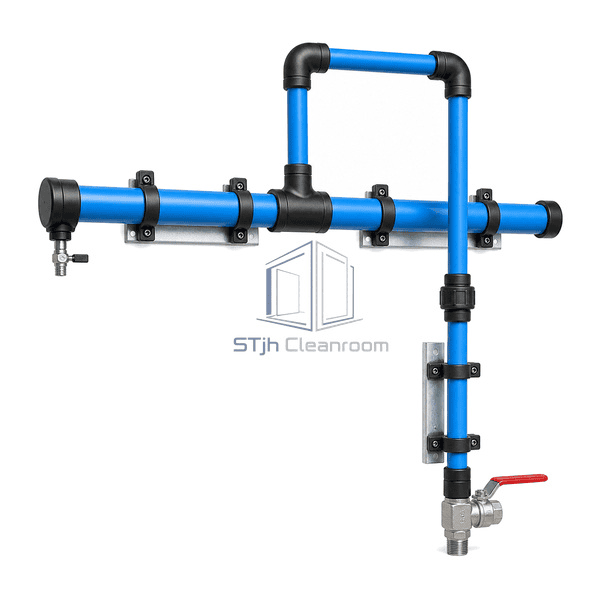
Define simultaneous use and operating demand before comparing receivers, pumps, regulators and distribution arrangements.
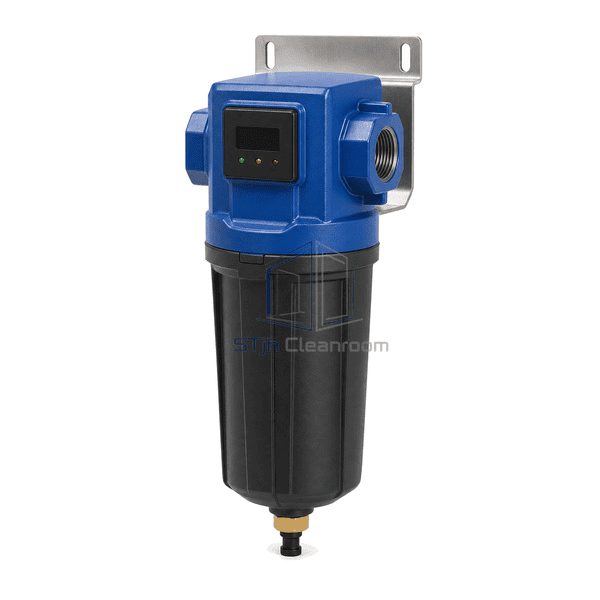
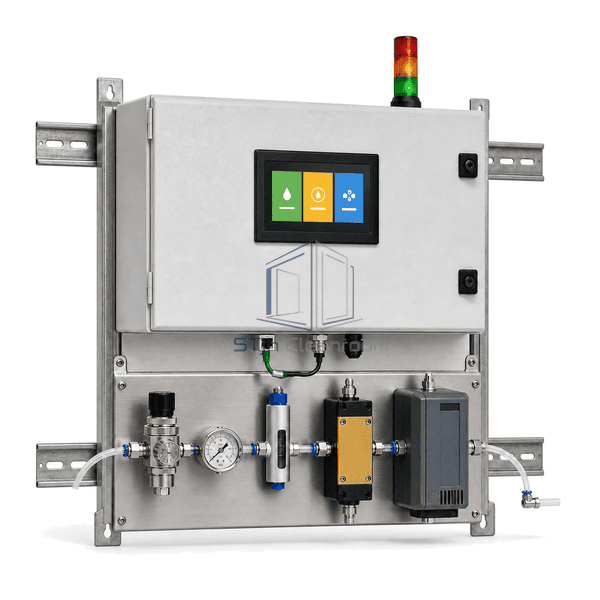
Evaluate moisture, particles and oil requirements along with drying, filtration and monitoring at the intended use point.
Identify gas composition, particulate loading and chemical conditions to determine suitable capture and treatment equipment.
Coordinate water, steam and hygienic distribution products around the specified process utility requirements.
Select process gases, dry compressed air and vacuum equipment for controlled production and handling tasks.
Supply analytical water, local gas services and appropriate exhaust treatment for the equipment in use.
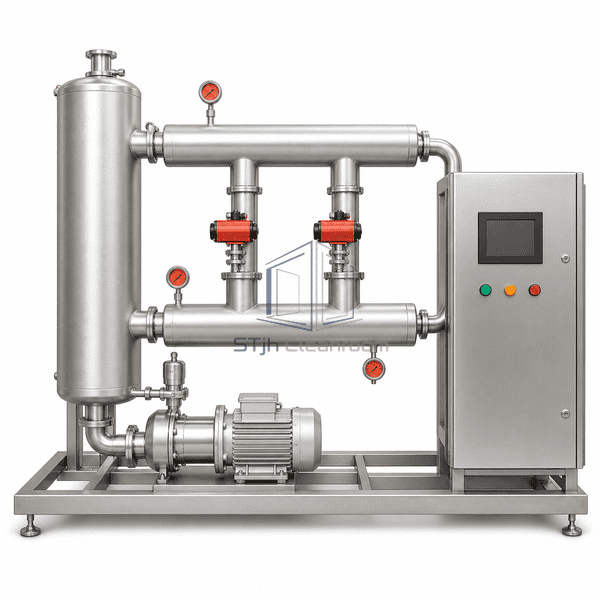
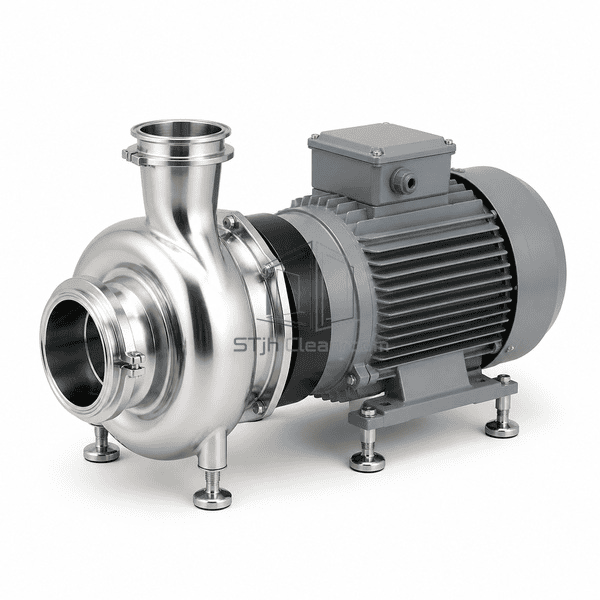
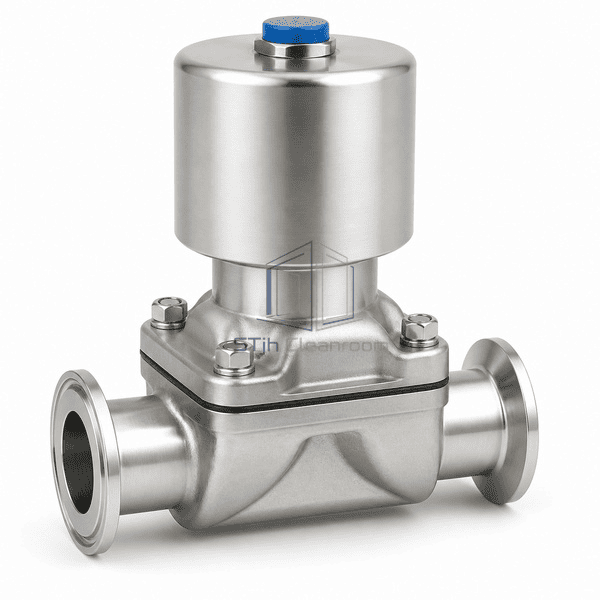
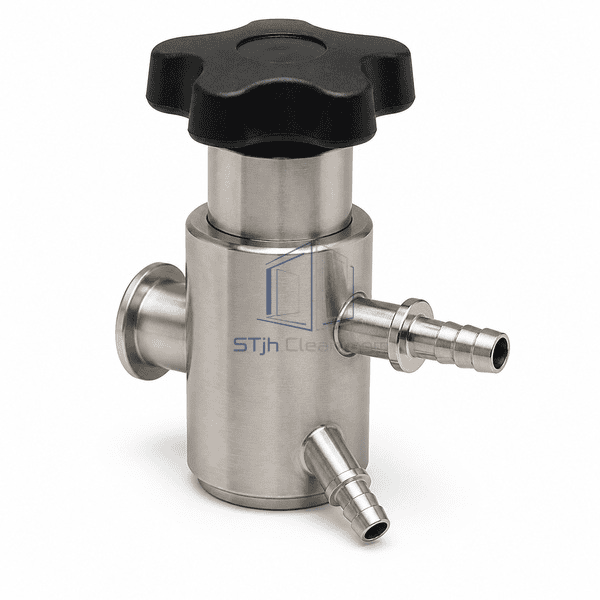
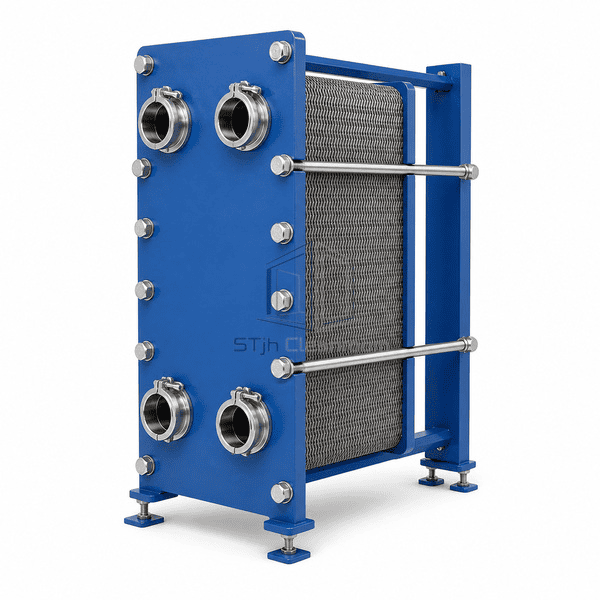
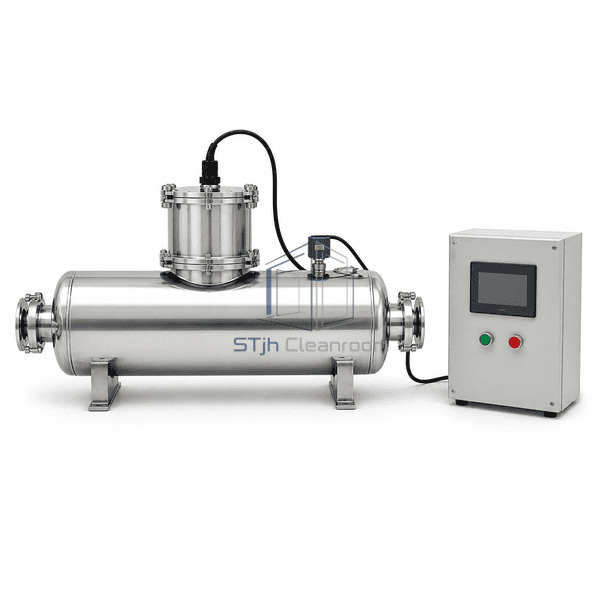
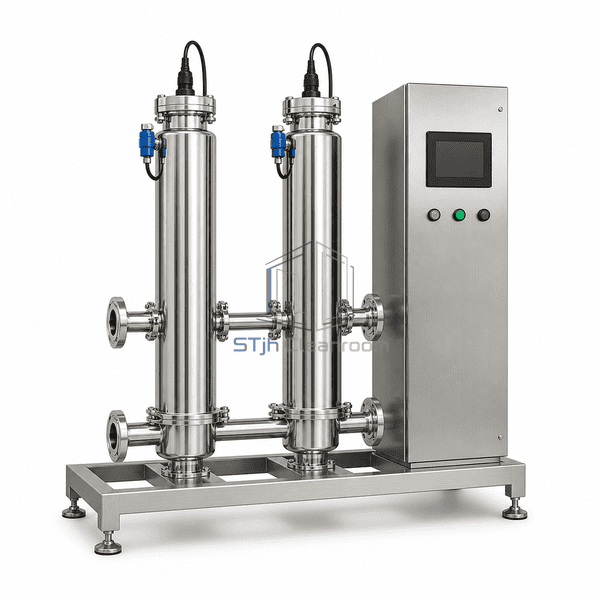
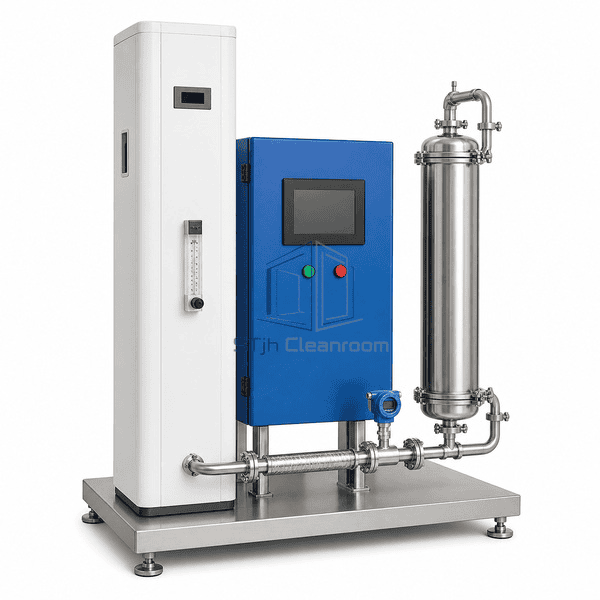
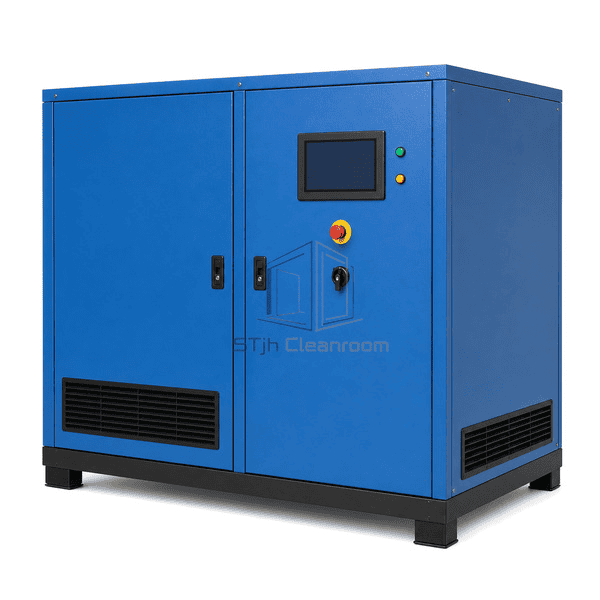
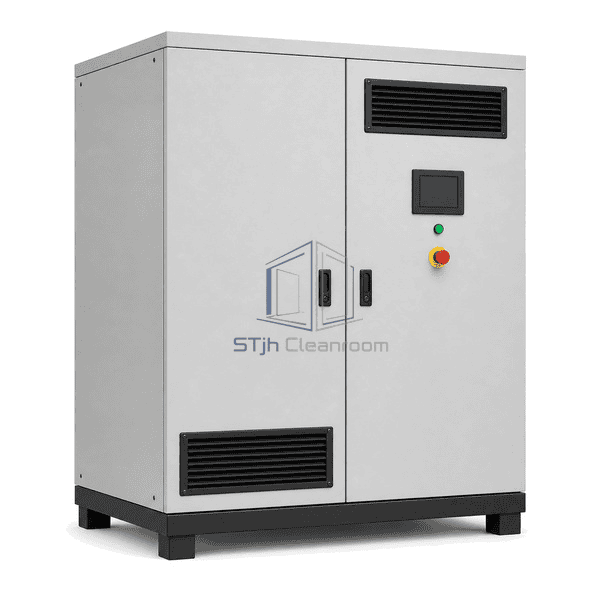
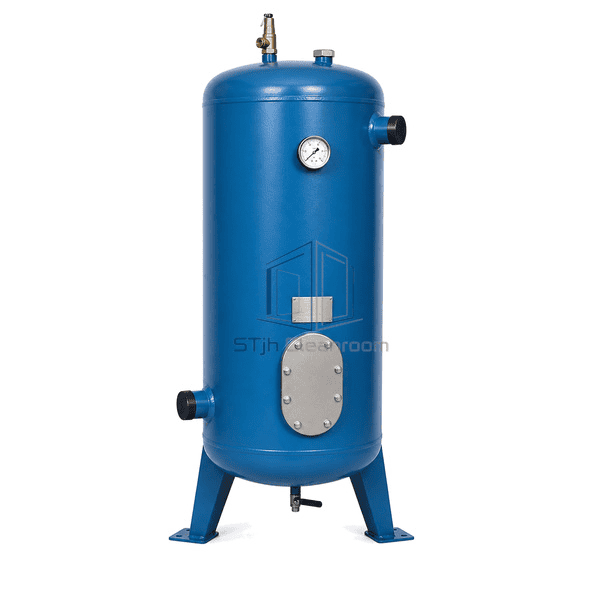
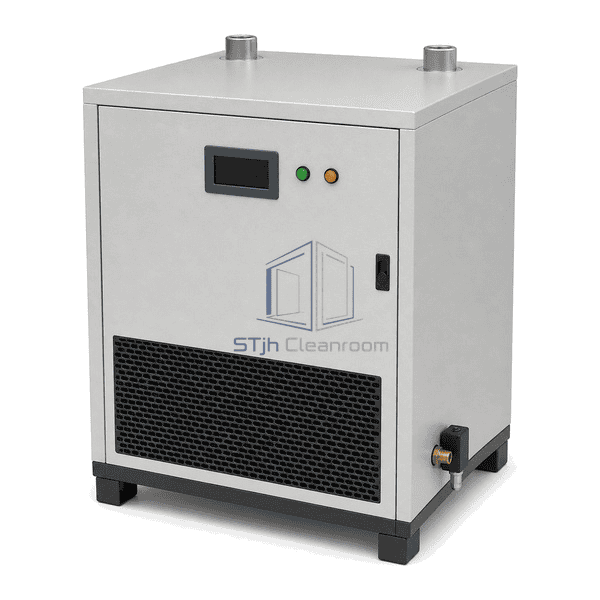
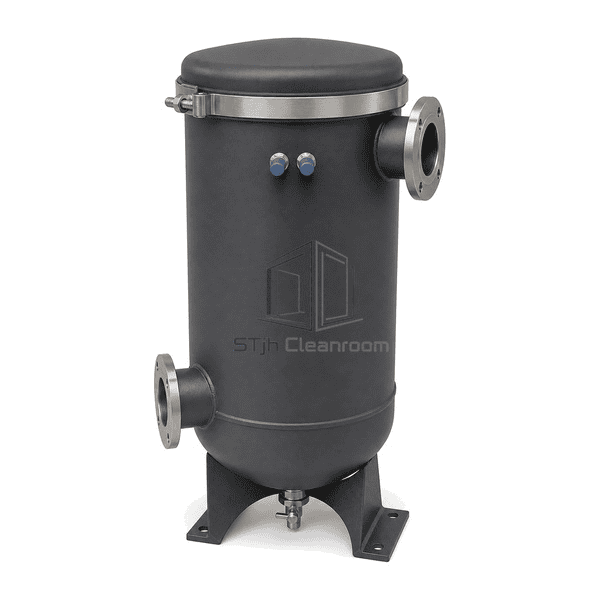
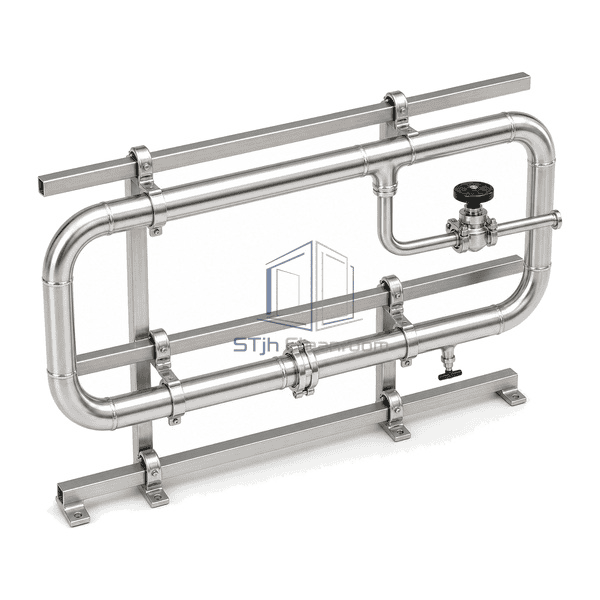
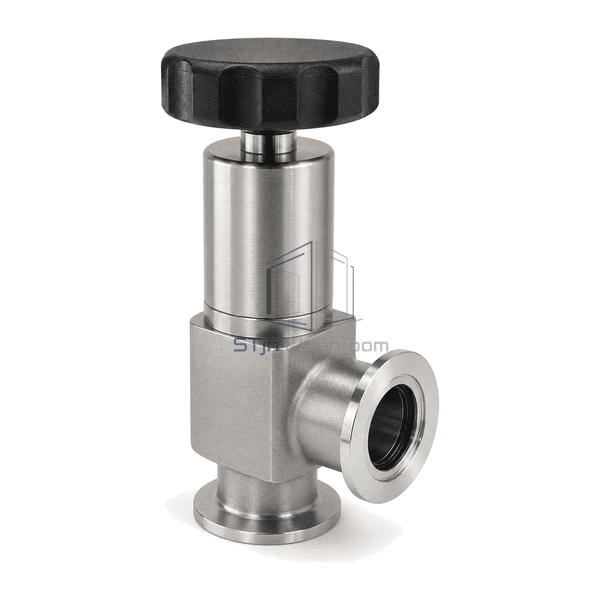
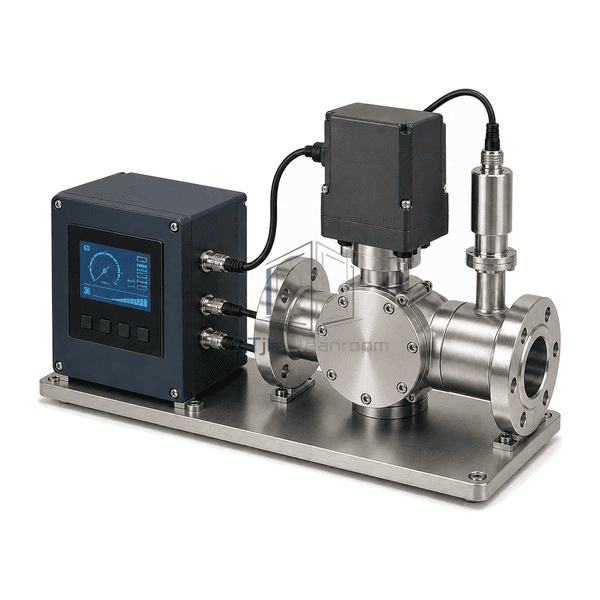
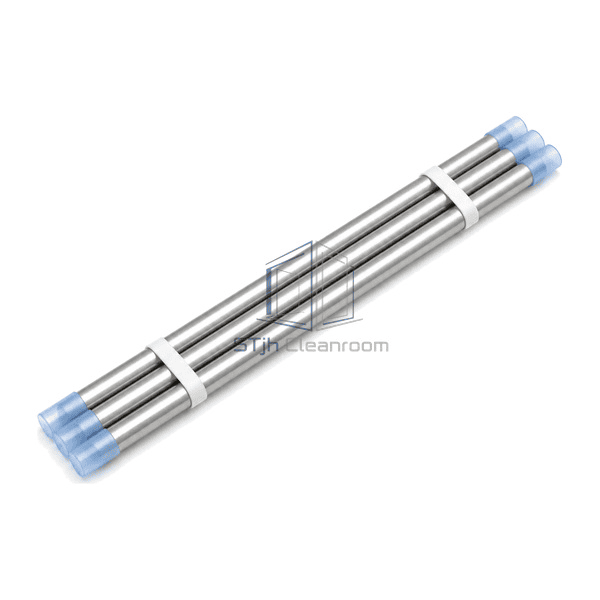
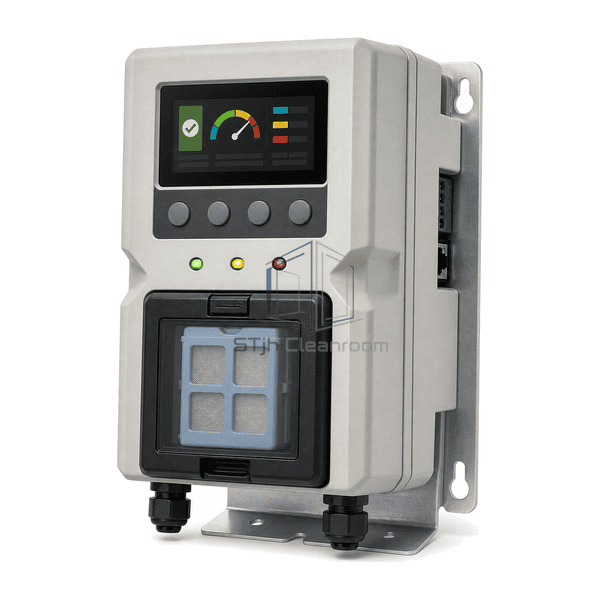
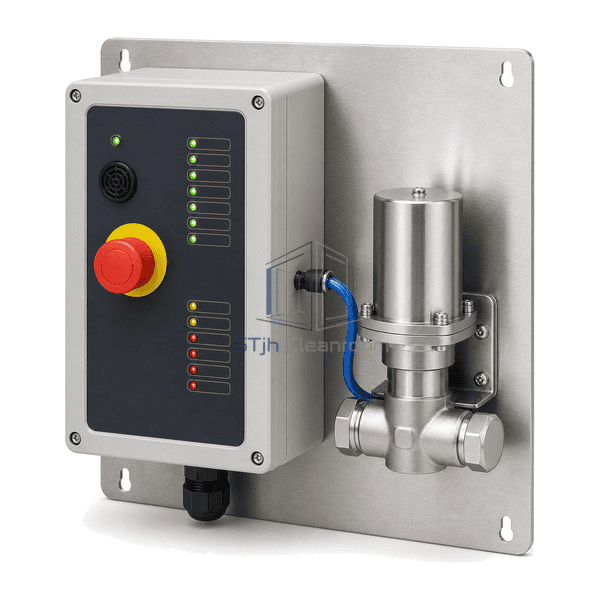
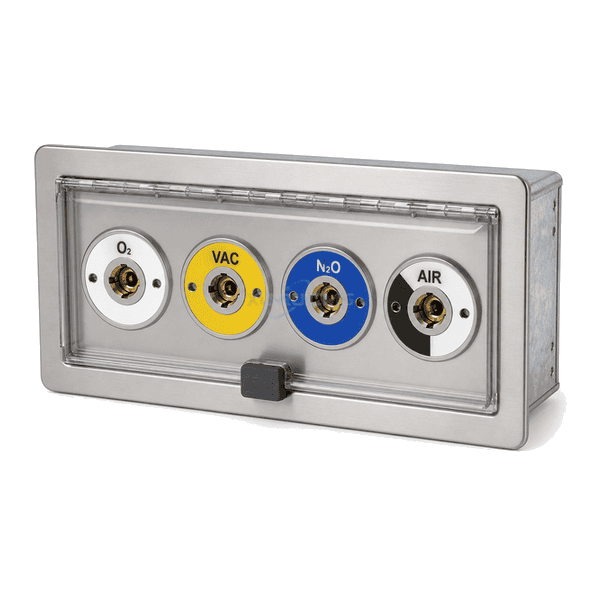
No products match your selection. Try another product type or a shorter search term.
No. The application may also require defined moisture, particle and microbiological conditions. Drying, filtration, distribution and point-of-use verification need to match the intended use.
It is one possible purification stage, not the complete system. Feed quality, required water specification, storage, distribution and sanitization determine the equipment arrangement.
Provide the gas or contaminant composition, flow, pressure or temperature, installation location and required safety functions. Hazardous services require application-specific engineering rather than selection by cabinet size alone.
Send the utility specifications, process demand and distribution outline. We can help identify the source, treatment and point-of-use components for a coordinated quotation.