 EnglishCurrent
 葡萄牙语
葡萄牙语 西班牙语
西班牙语 马来语
马来语 印尼语
印尼语 德语
德语 土耳其语
土耳其语 越南语
越南语 法语
法语 俄语
俄语 阿拉伯语
阿拉伯语 泰语
泰语 日语
日语 韩语
韩语Service penetrations leave unfinished gaps around pipes or cables.
Choose sleeves, boots or penetration sealing systems that match service dimensions, substrate thickness and the required separation.



Bring panels, services and equipment together with installation accessories chosen for the connection. Explore sealants, gaskets, fasteners, penetration seals and finishing components that support cleanable joints and practical maintenance access. Match the accessory to the substrate, movement and operating conditions so small installation details do not become avoidable gaps, damaged edges or difficult-to-service interfaces later.
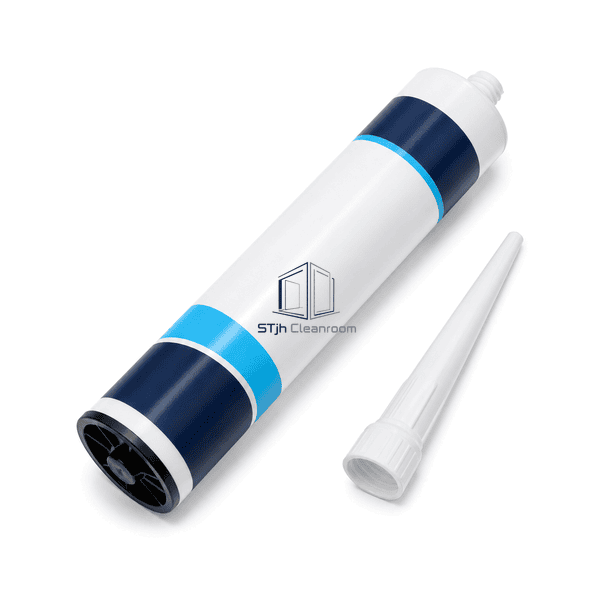
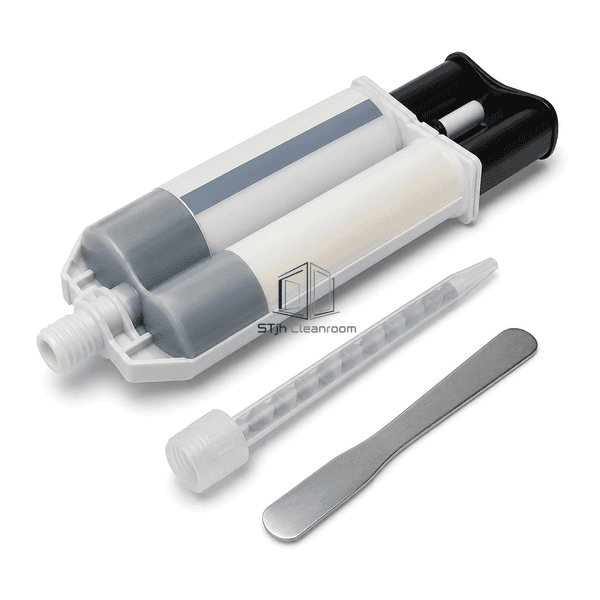
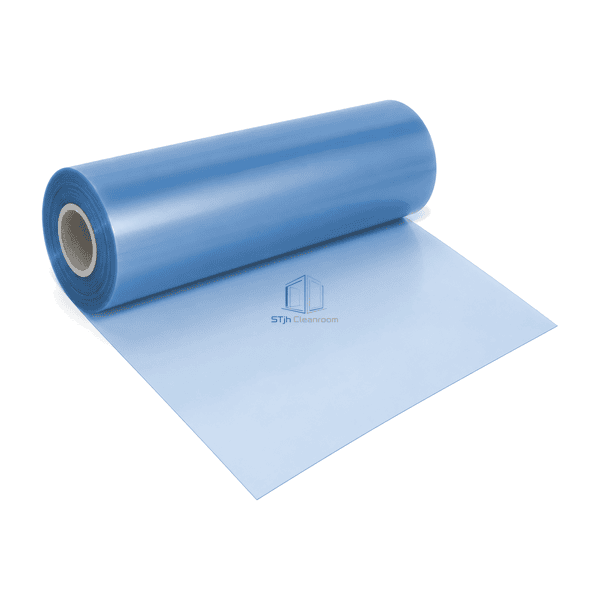
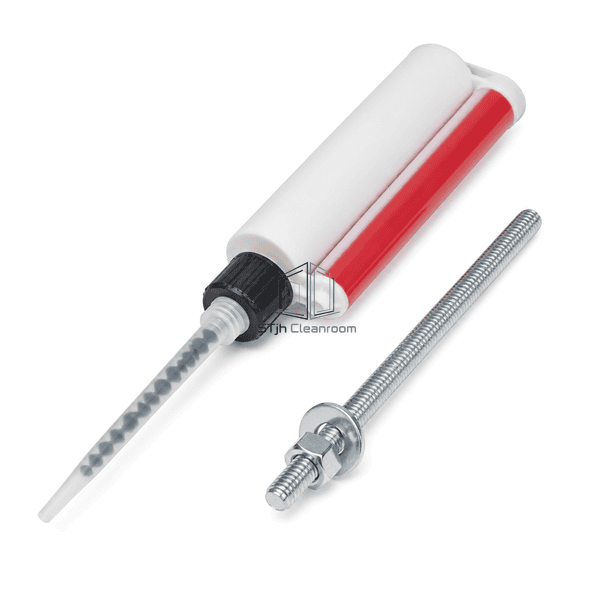
Close joints or repair compatible surfaces using compounds selected for their substrates and exposure. Compare curing, movement and cleaning compatibility; specialized firestop applications require the appropriate complete assembly.
Explore Products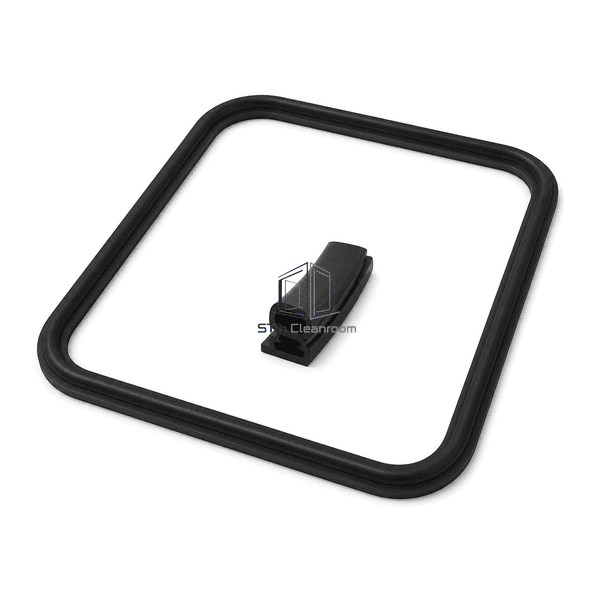
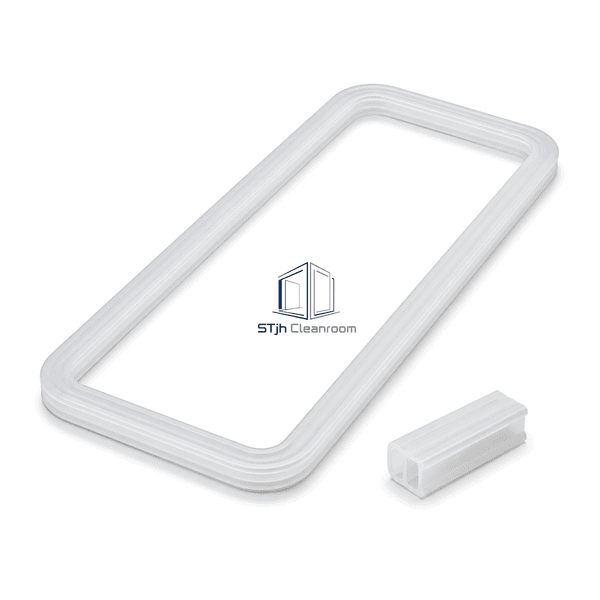
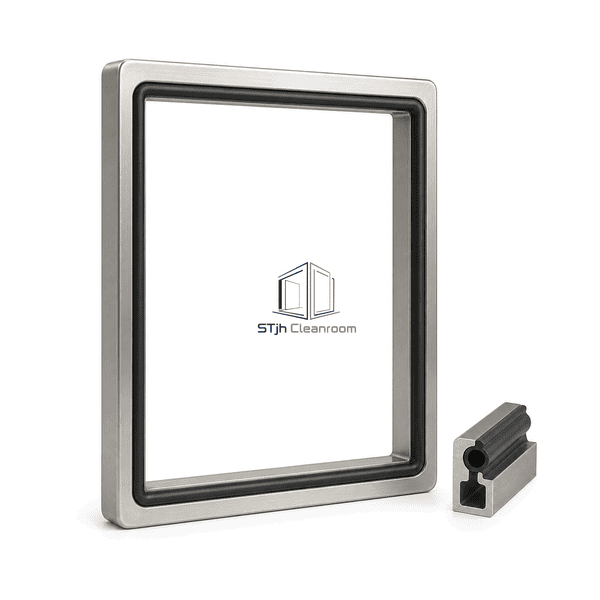
Maintain suitable sealing contact at doors, windows and equipment joints. Select material, profile and compression according to the mating surfaces, cleaning chemicals and expected operating conditions.
Explore Products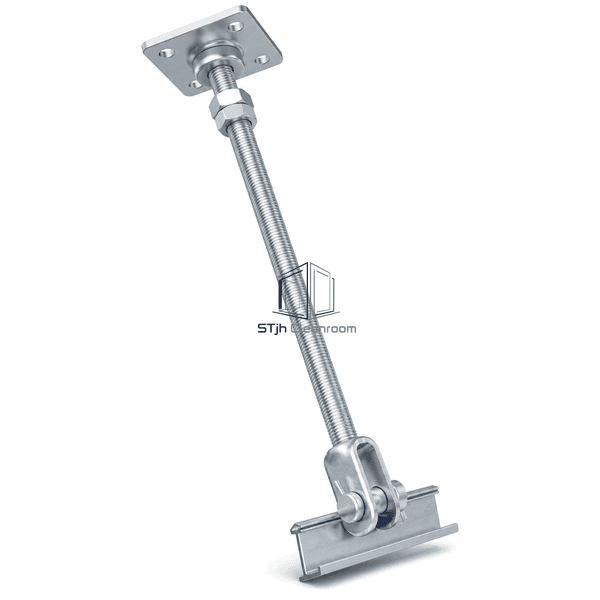
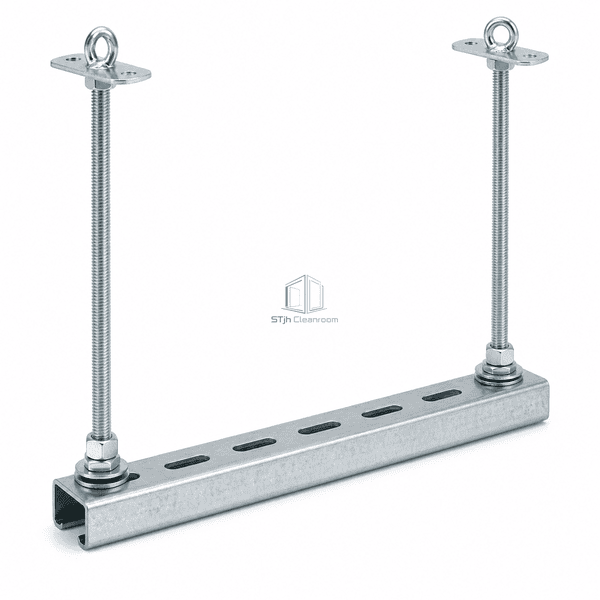
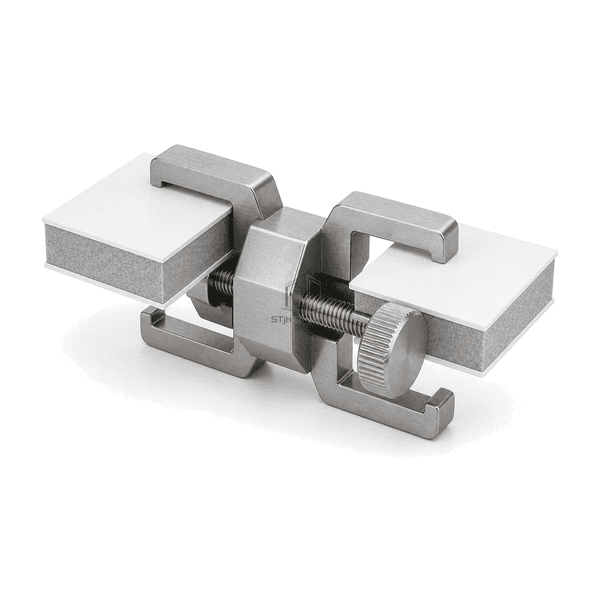
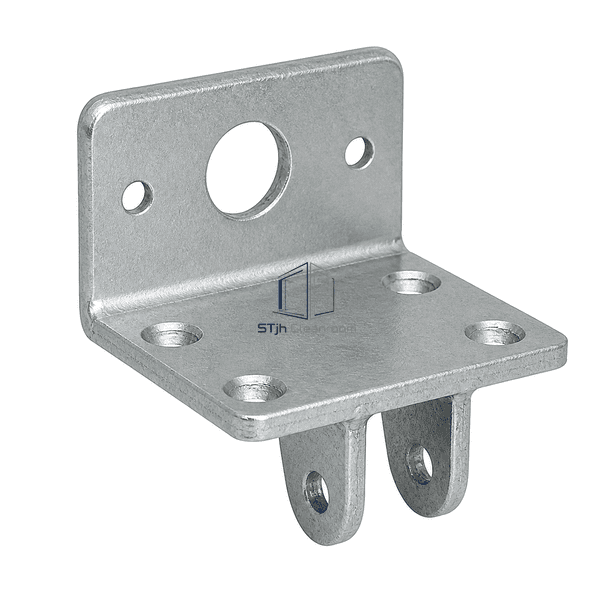
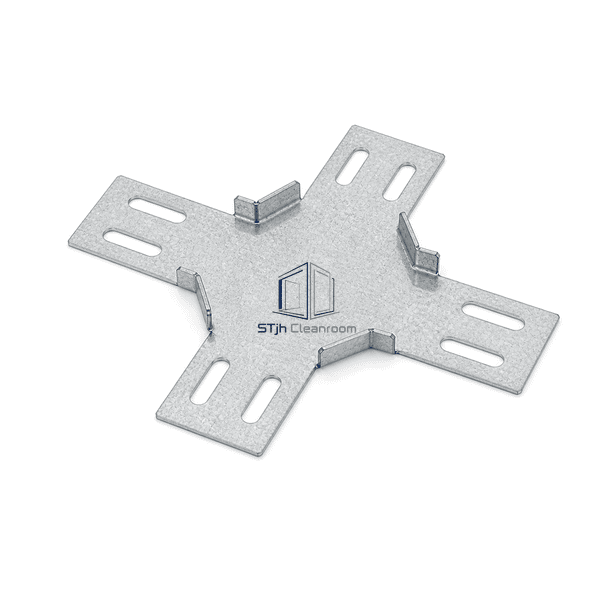
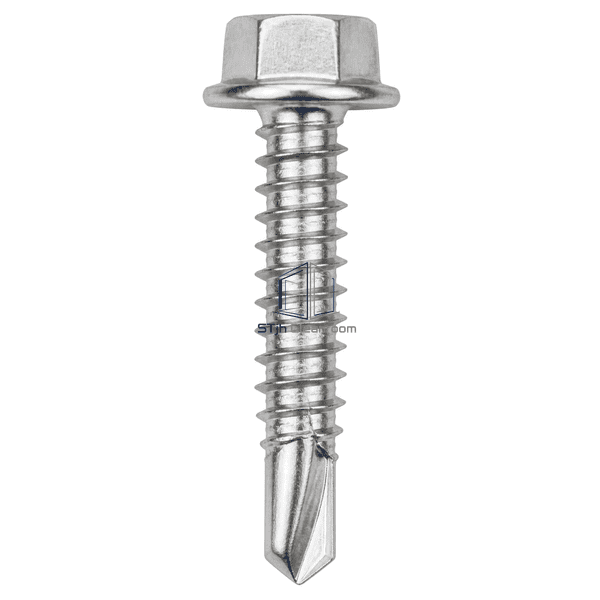
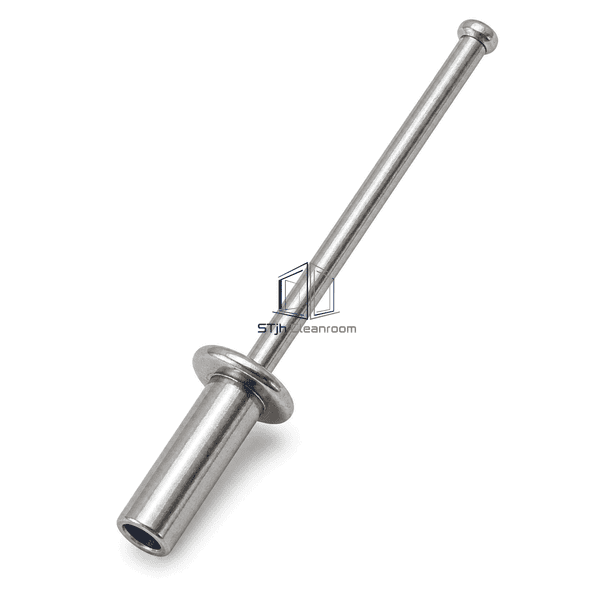
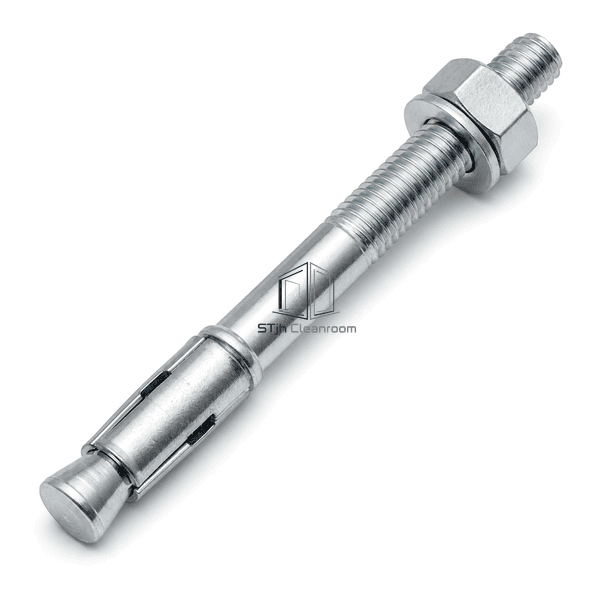
Secure panels and suspended components with hardware matched to the supporting construction. Confirm connection geometry, load requirements and access before choosing connectors, brackets, rods or anchors.
Explore Products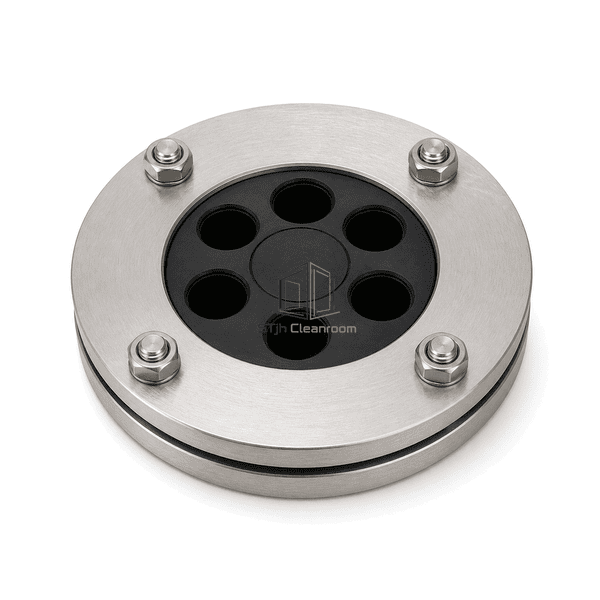
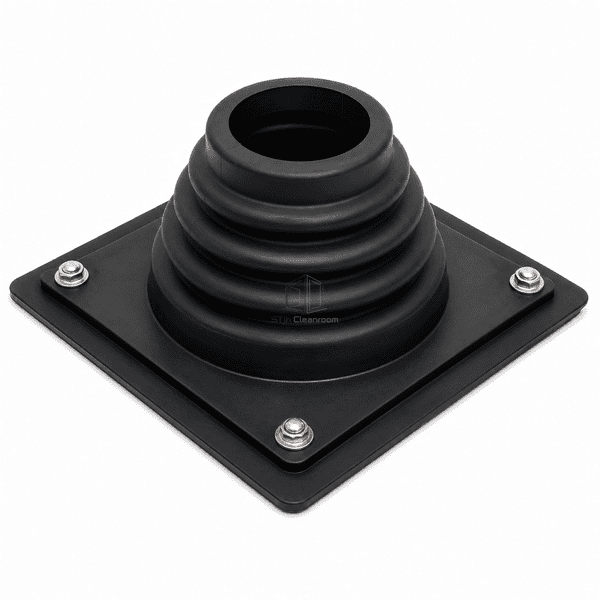
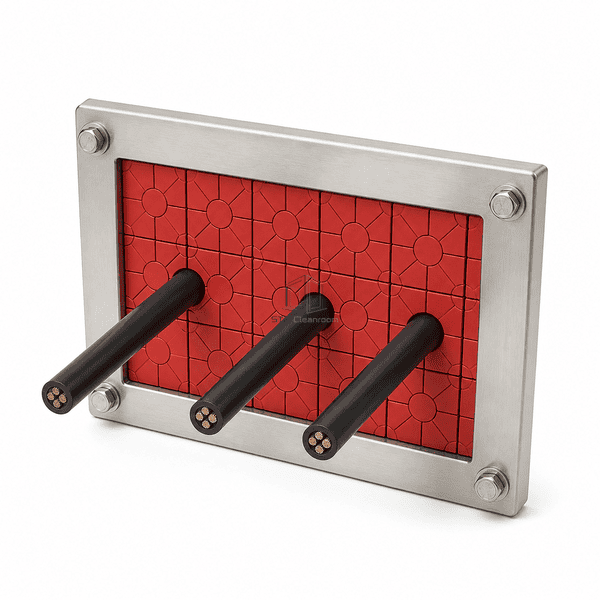
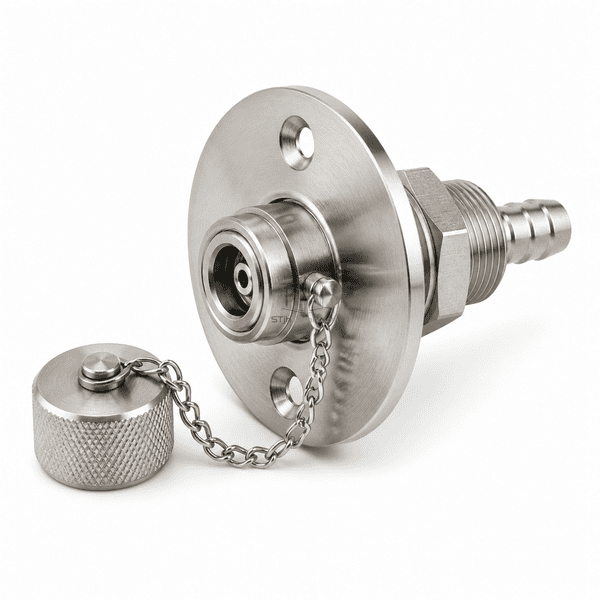
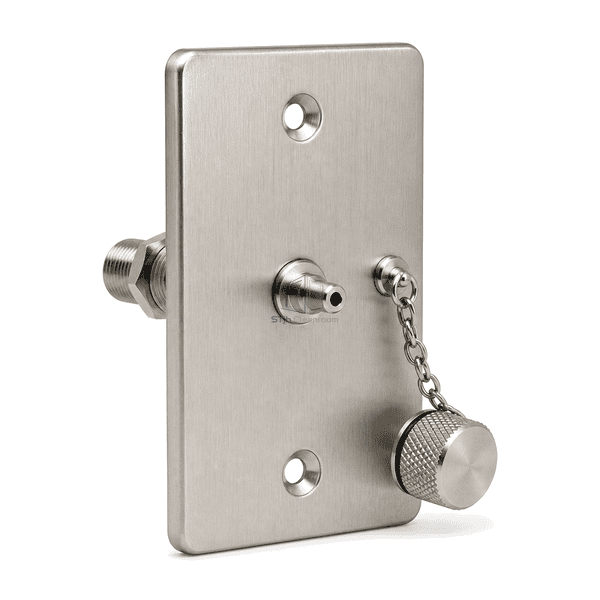
Detail cable and pipe openings with compatible sleeves, boots and sealing systems. Consider service dimensions, later changes and the separation requirements of the wall or ceiling assembly.
Explore Products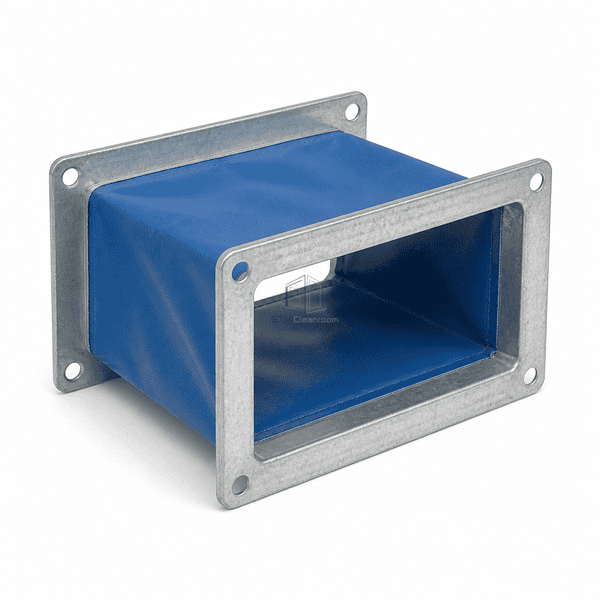
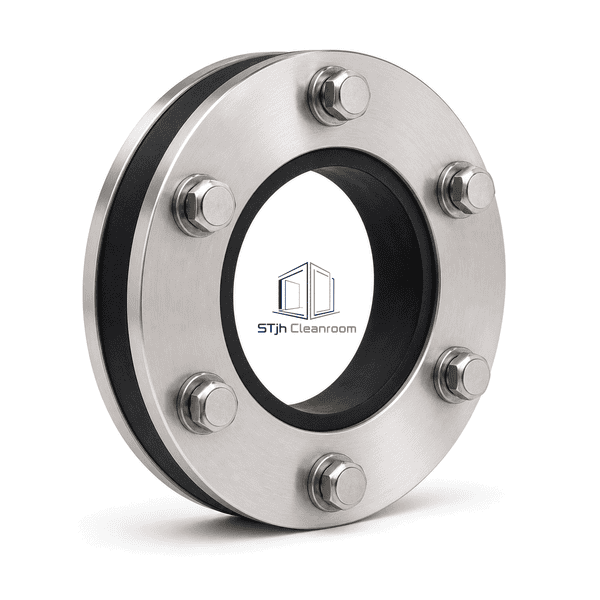
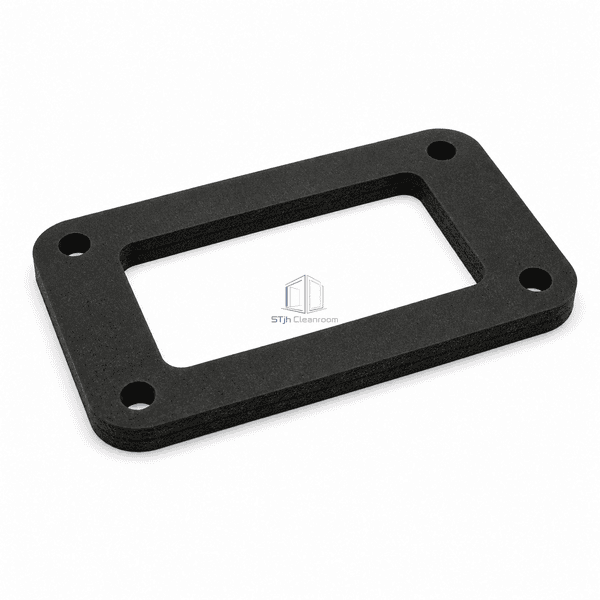
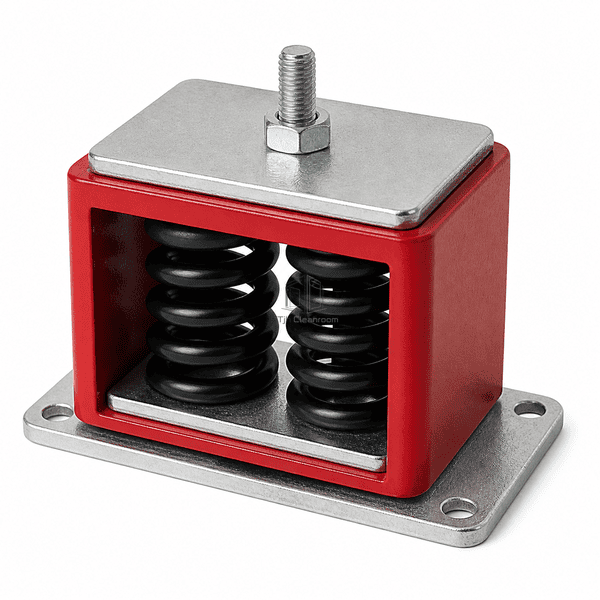
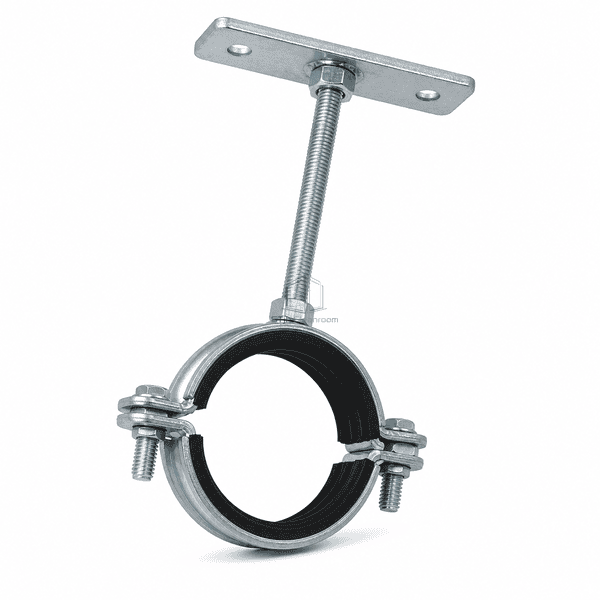
Connect and support mechanical services with appropriate gaskets, flexible links and hangers. Match dimensions, load and movement conditions while retaining access for inspection and future maintenance.
Explore Products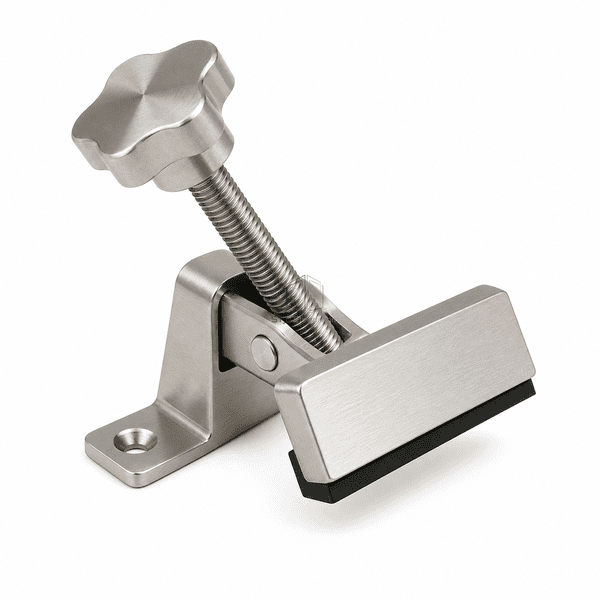
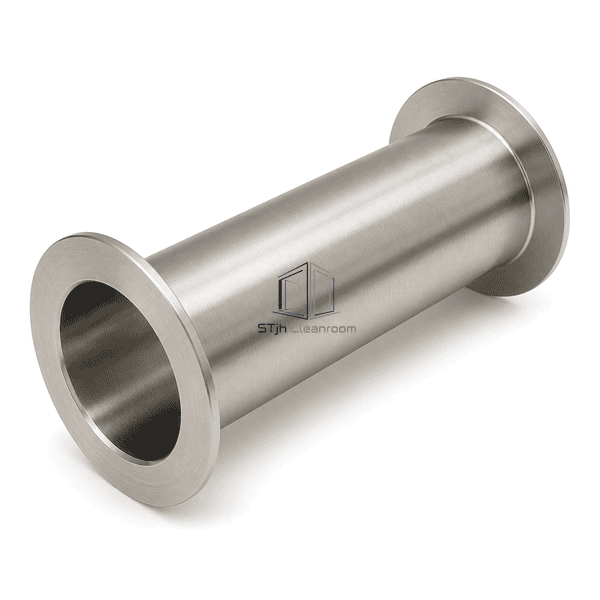
Fit and test filter installations using compatible clamps, seals and access ports. Match the housing and filter interface carefully; extra clamping force does not correct an unsuitable seal.
Explore Products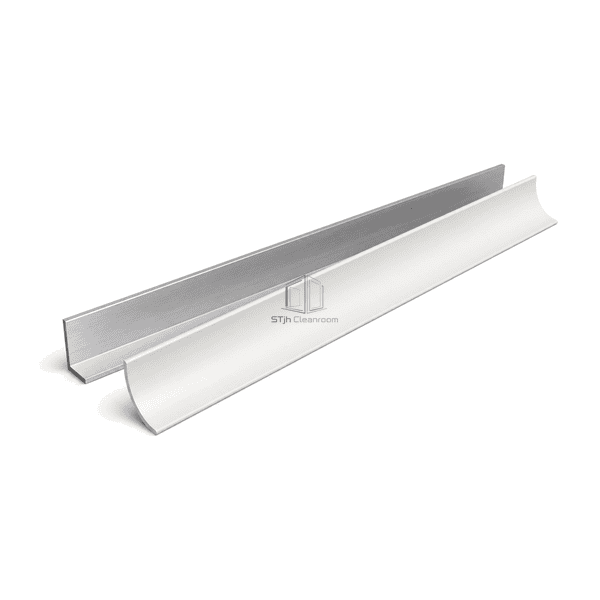
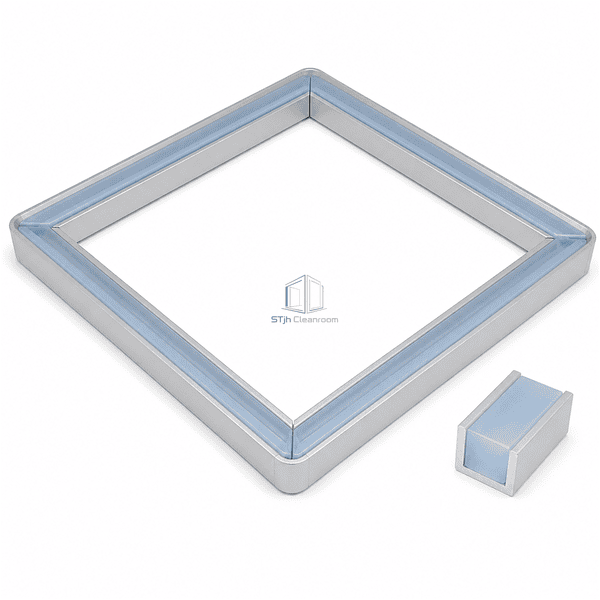
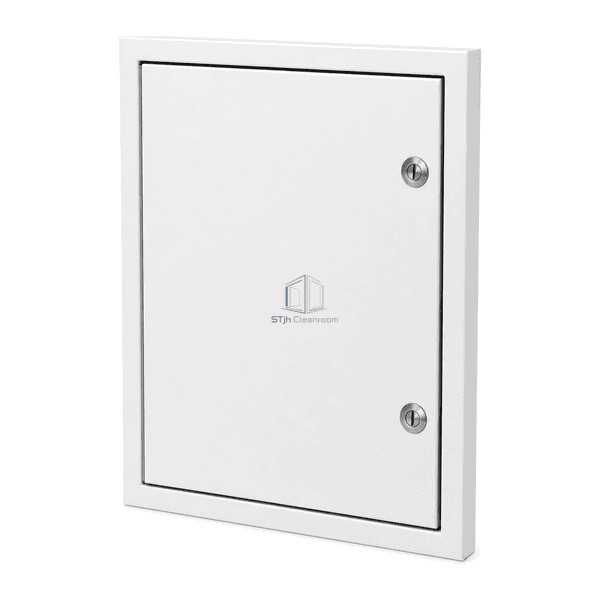
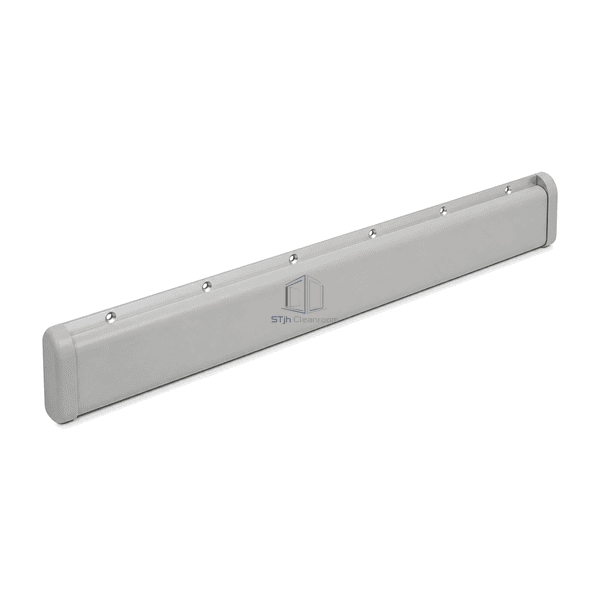
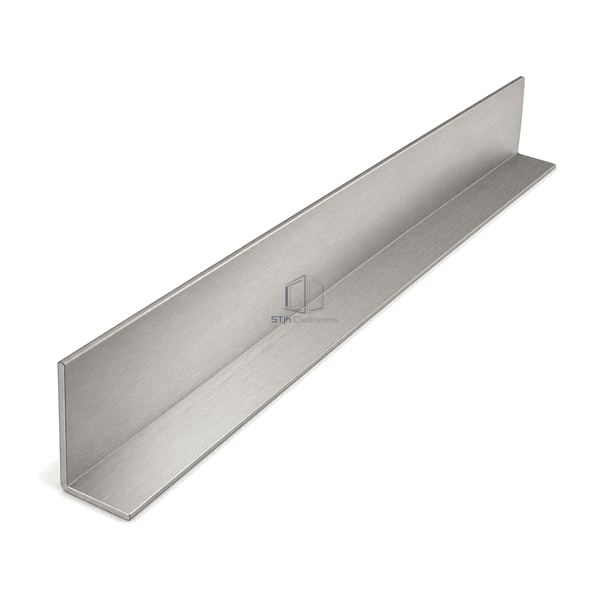
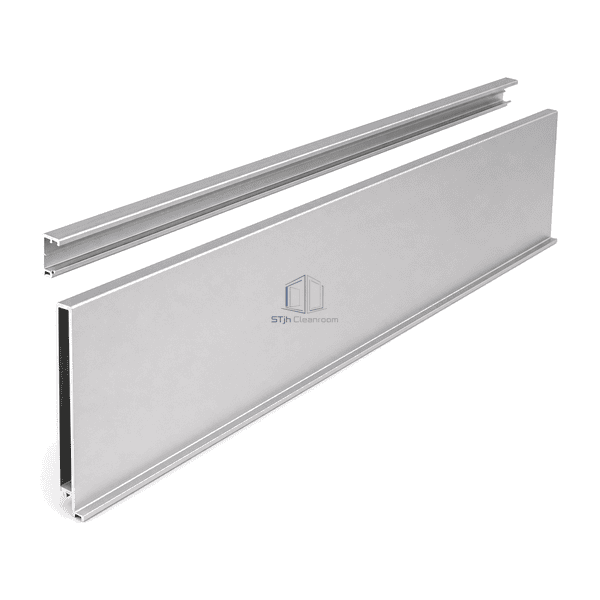
Finish exposed edges, protect traffic contact points and retain access to services. Choose profiles, guards and panels that fit the room surfaces and remain practical to clean.
Explore ProductsAn installed room contains many interfaces: panel joints, door seals, cable openings, pipe sleeves and filter seats. Accessories need to match those interfaces so the finished surfaces can be cleaned and the intended separation maintained.
Material compatibility matters at both installation and later cleaning. A sealant must adhere to the substrate and tolerate the operating environment; a gasket must fit its seating geometry; a fastener must suit the load and supporting construction. Similar-looking parts can have different responsibilities.
STjh offers connection, protection and finishing products for these everyday details. Send joint dimensions, substrate information and the relevant drawings so accessories can be selected as part of the assembly instead of substituted on site by appearance alone.
Choose sleeves, boots or penetration sealing systems that match service dimensions, substrate thickness and the required separation.
Compare movement capability, substrate adhesion and chemical compatibility before selecting sealants and gaskets.
Add suitable guards, rails or finishing profiles at the actual contact points, with attachment details that remain cleanable.
Select matching clamps, suspension components and access details for the installed system rather than improvised hardware.
Coordinate connectors, suspension hardware and finishing products around the room's supporting construction.
Detail pipes and cables where they pass through cleanroom walls, floors or ceilings.
Replace worn seals, protect damaged edges and retain access to installed room services.
No products match your selection. Try another product type or a shorter search term.
No. Substrate adhesion, movement, chemical exposure and curing conditions vary. Choose the sealant for the joint and verify compatibility with the surfaces and cleaning regime.
No. Fire performance applies to a suitable tested assembly, including substrate, opening, services and installed sealing details. Select the complete system for the required application.
Provide the cross-section, dimensions, material where known and photographs of the seating arrangement. Compression, cleaning chemicals and temperature are also useful for identifying a compatible option.
Send the joint and penetration details, materials and operating conditions. We can help match seals, fixings and finishing components to your room assembly.